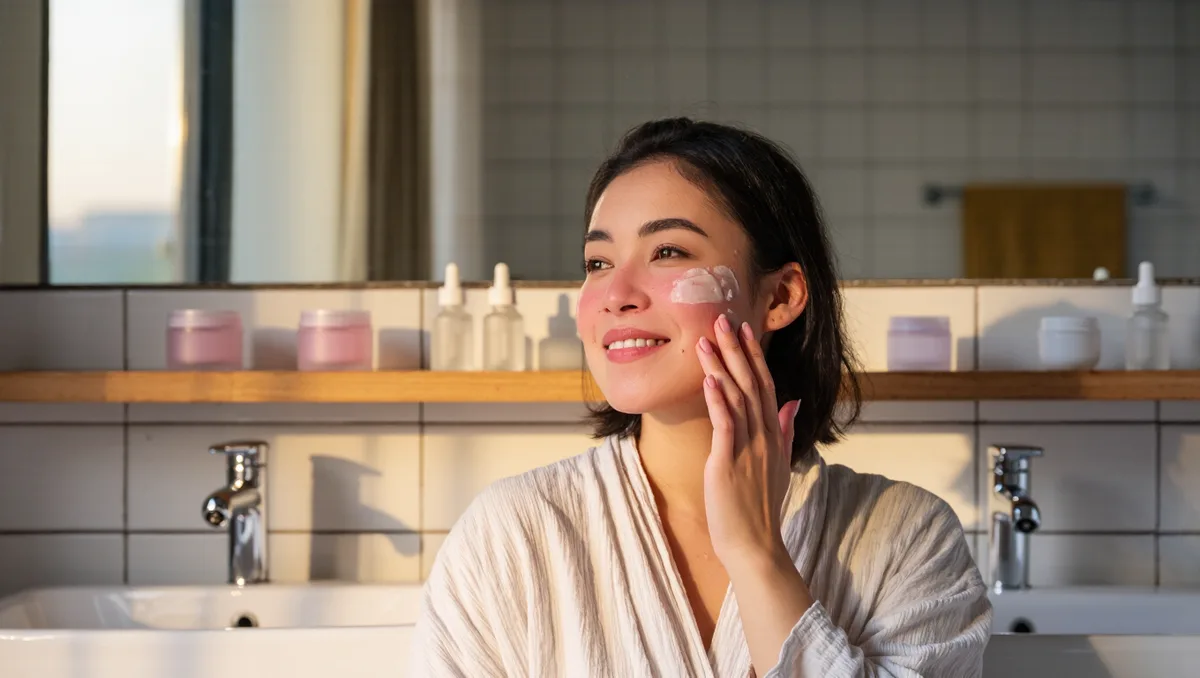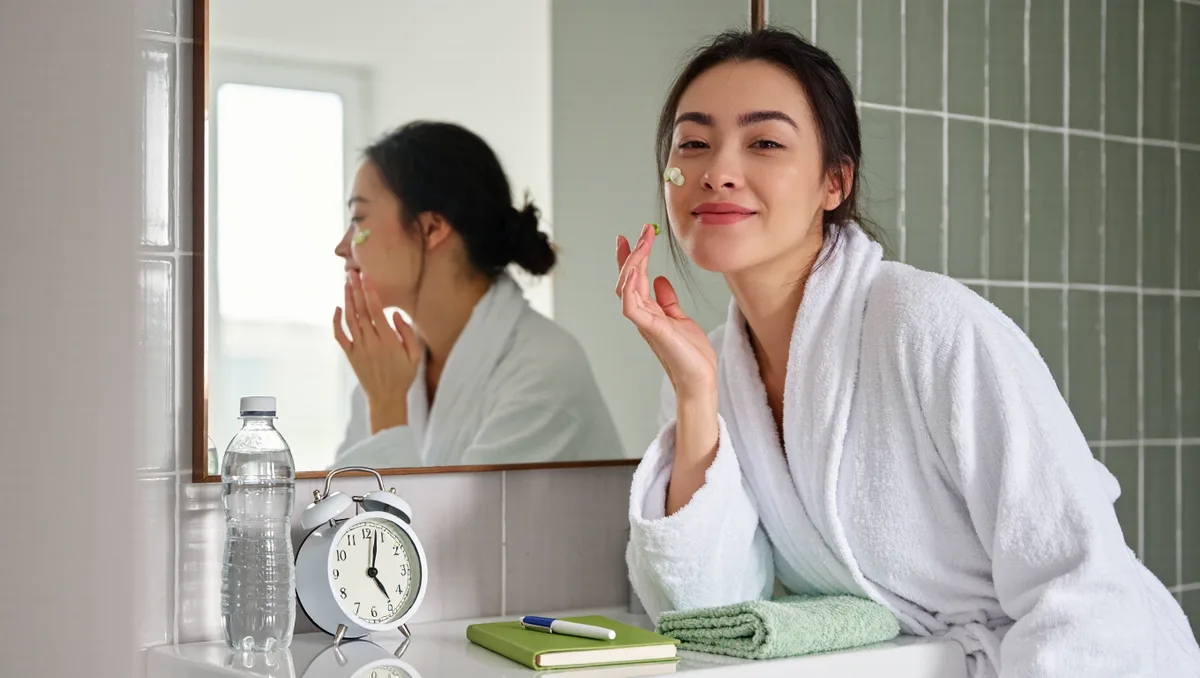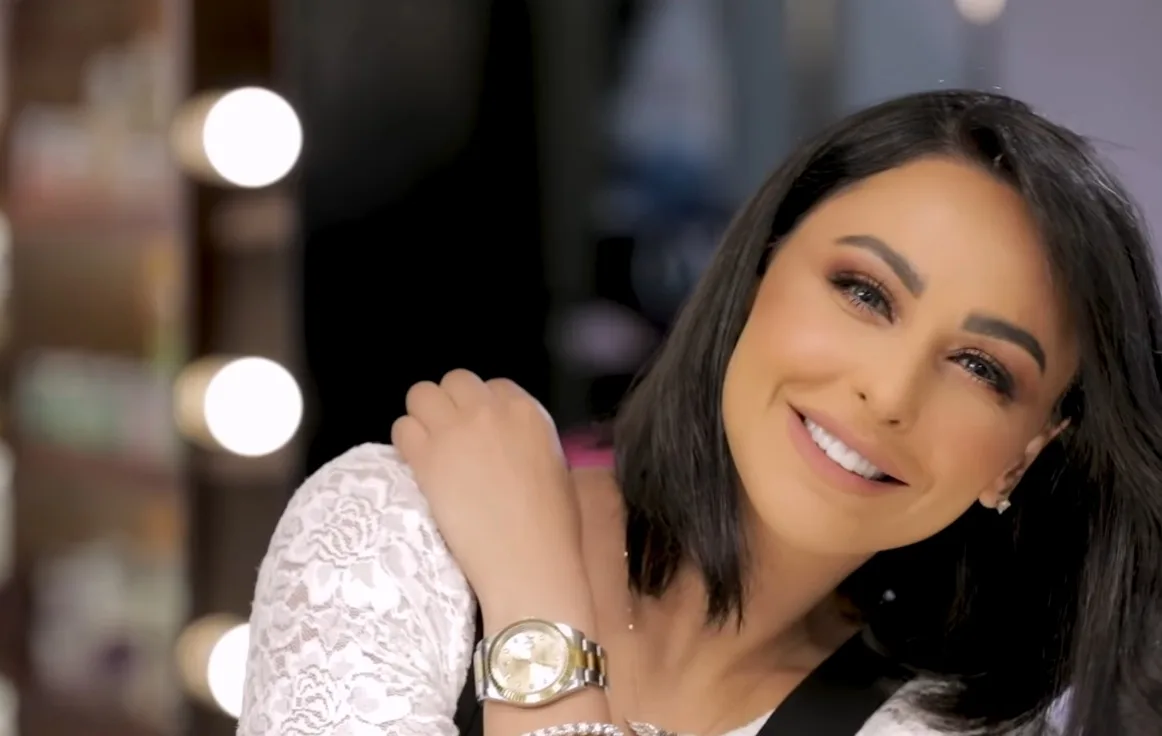
A makeup tutorial is worth copying only if it survives real lighting. Most viral techniques are built for the camera: ring lights, soft filters, and tight close-ups flatten everything. What looks sculpted on screen can read as a stripe in a bathroom mirror.
The fastest filter is a red flag itself. If a creator's skin looks airbrushed before any product goes on, you are judging the filter, not the technique. Watch for the moment the camera is off, or skip the tutorial entirely. This guide walks through the signals that a technique is camera-first, not face-first, and what to check before you copy anything.
Why does makeup look different in tutorials than in real life?
Cameras change three things at once: light, distance, and colour. A ring light sits close and frontal, so it erases the shadows a tutorial might be claiming to sculpt. Phone cameras also smooth texture by default in many video modes. The result is a face that needs less blending than yours does in daylight.
The practical check is simple. Step away from the mirror and look near a window before you decide a technique worked. If the effect only holds within arm's length of a vanity bulb, it was built for that bulb. For related coverage, see Makeup for Beginners: A Five-Step Routine That Takes Ten Minutes.
Which viral techniques fall apart in daylight?
A few patterns show up again and again. Each one is not wrong in principle — it is wrong when copied at tutorial intensity.
- Contour in hard lines. Cream contour drawn as a solid stripe down the cheek looks blended on camera because the light erases the edges. In daylight, the stripe is the stripe. If you want contour that reads as shadow rather than paint, our guide to contouring subtly keeps the placement and drops the drama.
- Full-coverage everything, layered. Tutorials often stack primer, colour corrector, foundation, concealer, and powder on every zone. On a filtered close-up that reads as flawless. In person it can sit in texture and crease. Coverage belongs where you need it, not everywhere by default.
- Under-eye concealer several shades lighter. Brightening that reads as awake on camera reads as a pale crescent in daylight. Go lighter by a small step, not a leap.
- Baking for long stretches. Letting powder sit heavily under the eyes is a stage and camera trick. Fine for photos, heavy for a Tuesday.
- Overlined lips drawn far past the natural edge. At tutorial distance it reads as fullness. In conversation it reads as a drawn line. If you want a fuller lip shape, a small overline at the centre is the version that survives scrutiny — and lip liner itself only earns its place in some routines, which we cover in our lip liner guide.
None of this means the techniques are fake. It means they are calibrated for a specific lighting condition you do not live in.
What are the warning signs in how a tutorial is made?
Technique is only half the story. The production choices around it tell you how much to trust it.
- No bare-skin baseline. If you never see the skin before product, you cannot tell what the makeup did. Good tutorials show the starting point.
- Cuts mid-application. A jump from base to finished cheek hides the blending work — or the lack of it. You are watching a result, not a method.
- Product claims with no basis. "This erases pores in one swipe" is a claim, not a fact. Treat any dramatic product promise as the brand's claim until something supports it.
- Every step uses one sponsor's products. A routine built entirely from one brand is a showcase. It can still teach you something, but the pairing advice is doing double duty as advertising.
- Speed without honesty. A "two-minute face" that cuts between every step is not a two-minute face. Real timing matters when you are building a morning routine.
One more signal runs the other way. Some tutorials are careful about what they recommend, and independent testing culture exists partly because of that. When a product carries a seal like the Allure Best of Beauty award, it means, per Allure's own description, that thousands of products are tested each year by Allure beauty editors and a panel of industry experts including makeup artists, hairstylists, and dermatologists. A seal is not a guarantee, but it is a different standard from a creator saying a product is "life-changing" on camera.
How do you test a technique before committing to it?
Copy small, not wholesale. A tutorial is a menu, not a prescription.
- Pick one element. Take the blush placement or the brow shape, not the entire twelve-step stack.
- Do it in daylight first. Apply near a window, then check in your usual lighting. If it only works in one, you know its limits.
- Check from a normal distance. Arm's length, then across the room. Most over-applied techniques fail the second check.
- Photograph without a filter. A plain photo in mixed light is the closest you will get to how others see you.
- Adjust intensity, not placement. If a placement works but looks strong, use less product. Do not move the placement to compensate.
This testing loop takes one morning. It saves you from walking around with a technique that was never designed for your conditions.
What should you copy from tutorials instead?
Look for the boring parts, because they are the transferable parts. Skin prep, thin layers, blending tools, and order of application travel well between faces and lighting. The sequence after skincare matters more than any single trick, which is why we keep a full reference on the order to apply makeup rather than leaving it to each video's whims.
Also worth copying: any creator who shows mistakes and fixes them on camera. A tutorial that corrects a patchy concealer edge teaches more than one that never has a problem. And if you are early in your makeup journey, a simple framework beats a viral stack every time — our five-step beginner routine covers the core in about ten minutes, and the brush side of it stays minimal too, per the only makeup brushes you really need.
Our analysis: the camera is a tool, not a target
The evidence here is observational, not clinical, and the honest conclusion is modest: viral makeup tutorials optimise for a viewing environment, and copying them untested imports that environment's distortions into your day. The red flags above — filtered skin, hidden baselines, hard lines, sponsor-heavy stacks — all point the same direction. They tell you the tutorial is showing you a produced image.
What remains unknown is per-technique: some camera tricks, like strategic highlighter placement, genuinely do work in daylight at reduced intensity. The only way to find out which ones is the small, daylight-tested trial described above. Copy the method, question the spectacle, and let your own mirror — in your own light — make the final call.