Summer makeup lasts when the routine controls moisture: a thin base, powder only where shine starts, and a finishing spray on top. Heat brings sweat, skin brings its own oil, and both move a base around, so the goal is not a shield but an even fade. The plan below uses documented product functions, and even the label words are regulated: the FDA prohibits waterproof and sweatproof claims on sunscreen, so a water-resistance label has to state a tested time.
This guide covers the prep, the base, the powder step, the setting step, and the sunscreen rule that most routines forget by midday. Each function named here comes from a standard reference work. We covered a connected angle in How to Make Makeup Last All Day: Seven Steps From Skin Prep to Setting.
What does heat actually do to makeup?
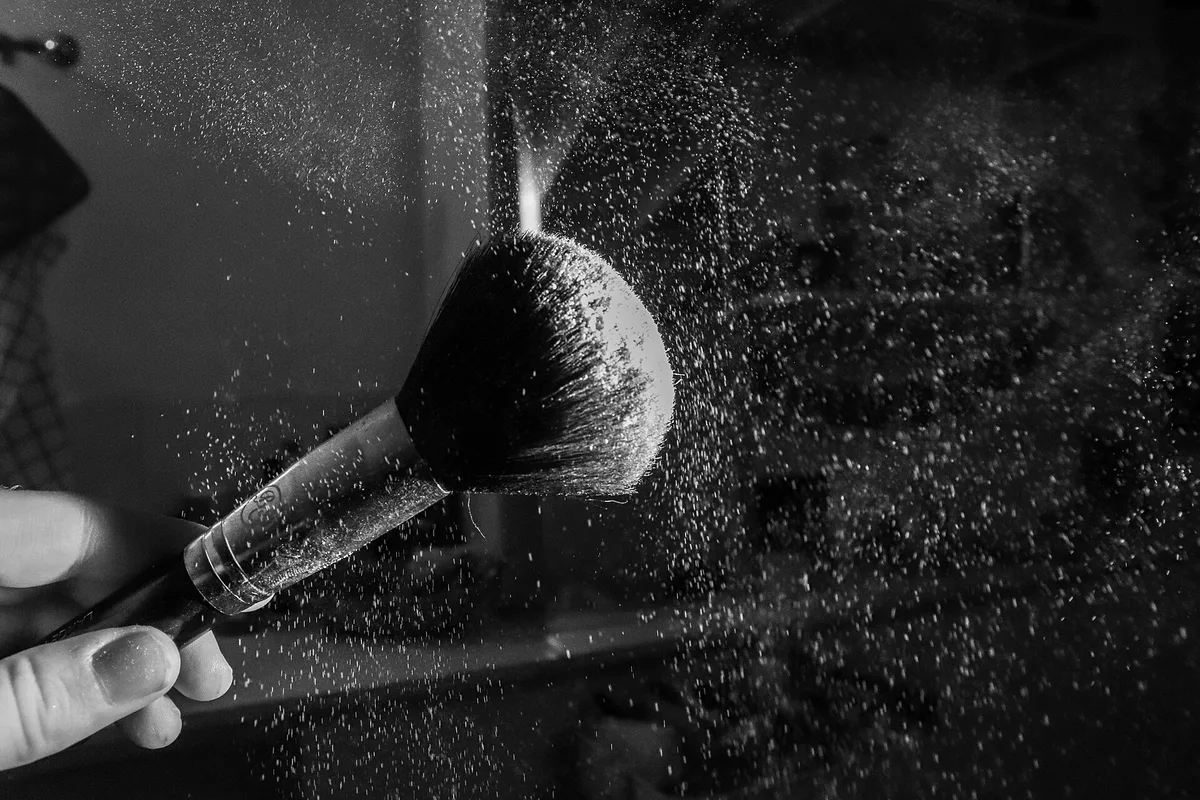
It adds water where the routine did not plan for any. Sweat and oil thin a base and slide it, and shine is the visible result. Face powder exists for exactly this problem: one type, loose powder, is used to assist with oily skin by absorbing excess moisture and mattifying the face to reduce shininess, per the reference on face powder. The other type, pressed powder, conceals and adds coverage, which is why it works as the midday touch-up.
How do you prep skin for a hot day?
- 1. Moisturize lightly and let it settle, so the base goes on a calm surface instead of a fresh one.
- 2. Apply sunscreen to every area that will see sun, spread evenly, since the reference notes protection assumes an even, thick application.
- 3. Read the front label. A water-resistance claim must state how long the sunscreen stays effective and whether that covers swimming or sweating, per the FDA rules summarized in the reference.
Sunscreens come as lotions, sprays, gels, sticks, and powders, so the format can match the routine rather than fight it.
How do you build a base that survives the afternoon?
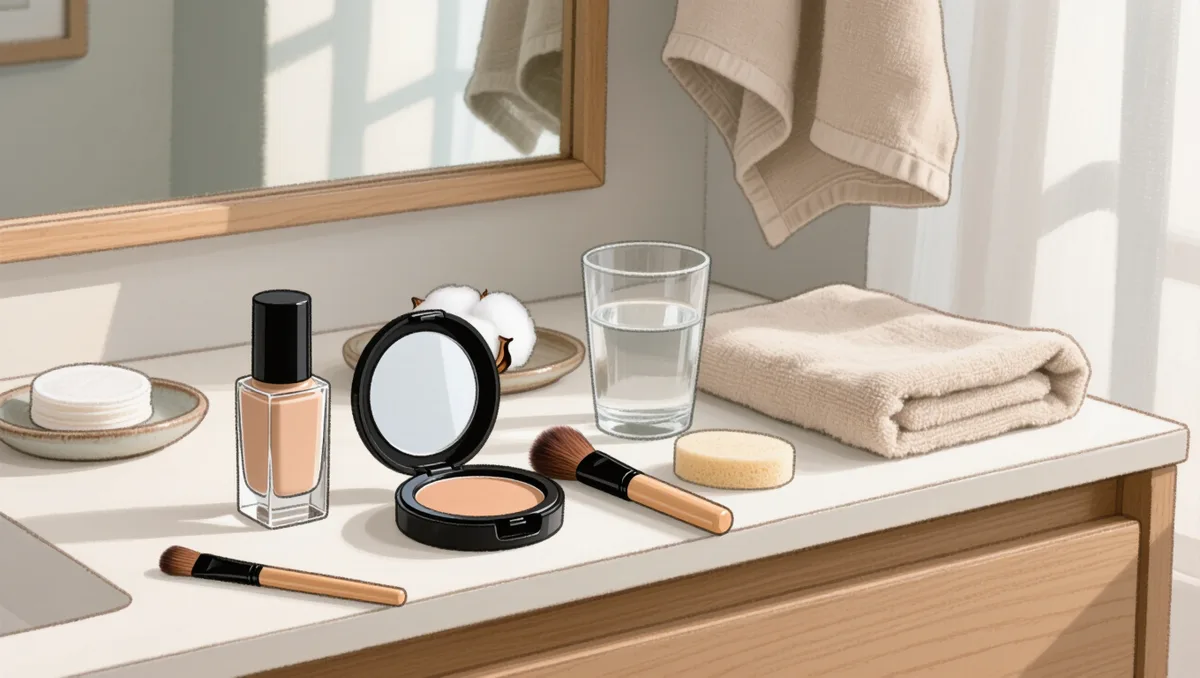
- 1. Go thinner than in winter. Less product sits on the skin for sweat and oil to move around.
- 2. Set only where shine starts. Loose powder is built for oily areas, and a light pass there is its documented use.
- 3. Blot first, powder second, so the powder lands on dry skin instead of sealing moisture in.
- 4. Finish with a setting spray. A setting spray is designed to preserve applied make-up in place for long periods, applied by spritzing a mist over the face, per the reference.
None of this stops sweat. Sweat is normal skin behavior, and the routine only decides whether it leaves the base even or patchy.
What do the sunscreen labels mean in summer?
The honest word is water resistant. Claims of products being waterproof or sweatproof are prohibited, and water-resistance labels must state how long the sunscreen remains effective and specify whether that applies to swimming or sweating, based on standard testing, per the reference.
The SPF number is a filtering measure, not a clock. Sunscreens with higher SPF do not last or remain effective on the skin any longer than lower SPF, per the reference, so the number on the bottle is not extra hours.
What are the common mistakes?
- 1. Treating a higher SPF as a longer day. Reapplication is still needed, usually about every two hours, per the reference.
- 2. Piling powder over shine. The shine is moisture, and powder over moisture cakes; blotting first is the order that works.
- 3. Skipping the last sunscreen of the day. A stick or a powder format reapplies over a finished base without wiping it.
Conclusion: plan the fade, not a shield
Summer makeup is a moisture problem with a documented answer: a thin base, loose powder where shine starts, a setting spray designed to hold the application in place, and sunscreen reapplied about every two hours. The labels help here, since water resistance carries a tested time instead of a promise.
No step stops a hot day from doing what hot days do. The routine just decides whether the base leaves evenly, and that is the difference between a touch-up at noon and a rebuild. Readers following this should also see Makeup for Beginners: A Five-Step Routine That Takes Ten Minutes.