
Ingredients
Retinol myths dermatologists wish would die
The internet has turned one of skincare's best-studied ingredients into a villain. Here is what the evidence actually says.
Ingredients decodes the label: what retinoids, acids, vitamin C, niacinamide and peptides actually do, at which concentrations, and how many weeks each needs. Entries flag combinations that irritate when layered on one night. Written for readers building a routine from ingredients rather than brand names.
The internet has turned one of skincare's best-studied ingredients into a villain. Here is what the evidence actually says.

A blood-clotting drug turned brightening ingredient — here is what it can and cannot do for hyperpigmentation.
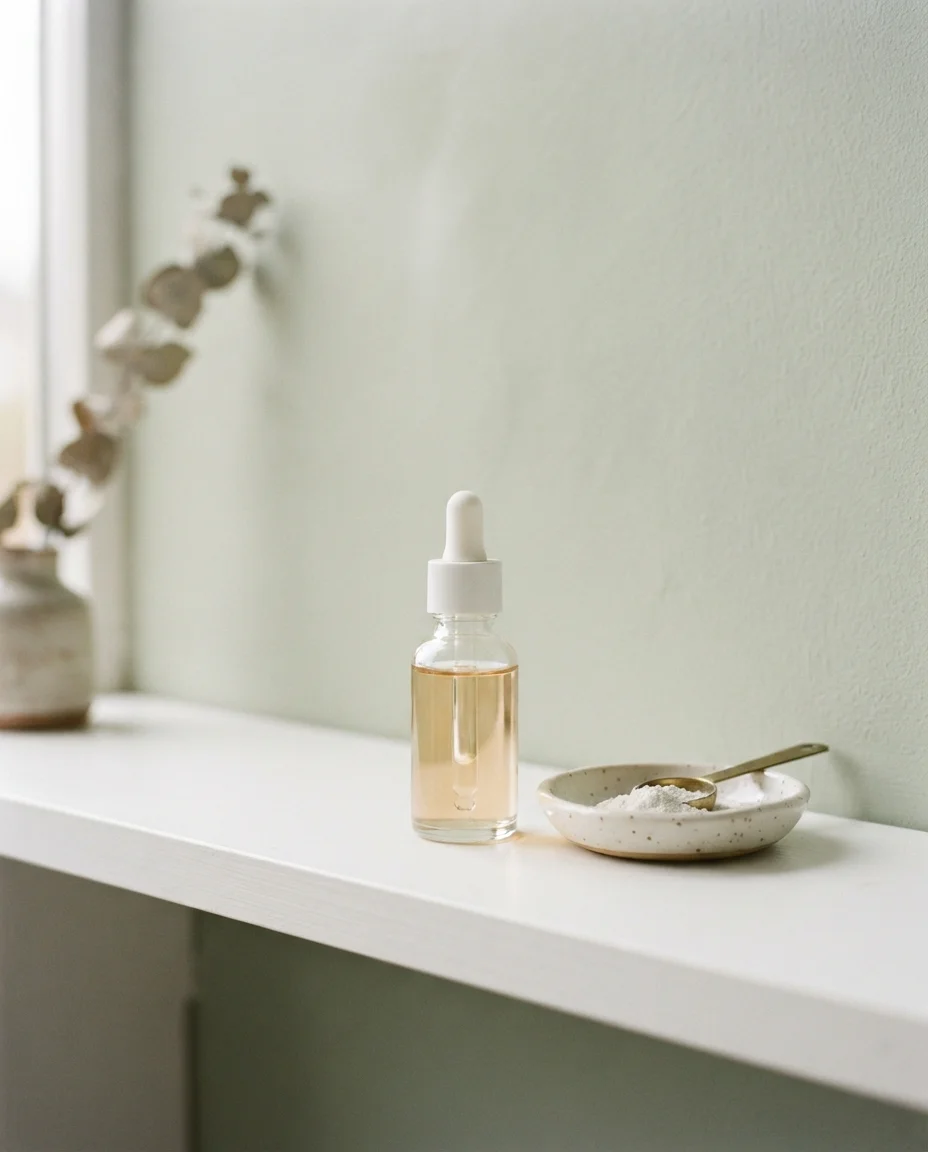
Niacinamide is a form of vitamin B3 that studies show improves uneven tone and supports the skin barrier at concentrations of 2–5% — and, contrary to shelf folklore, it layers happily with almost everything.
The vitamin B3 derivative shows up in nearly every routine. Here's what the research actually supports, from oil control to barrier repair.
Fragrance is the most common skincare ingredient people react to, and it can hide behind one word that stands for an undisclosed mixture, so reading the label is the whole skill.
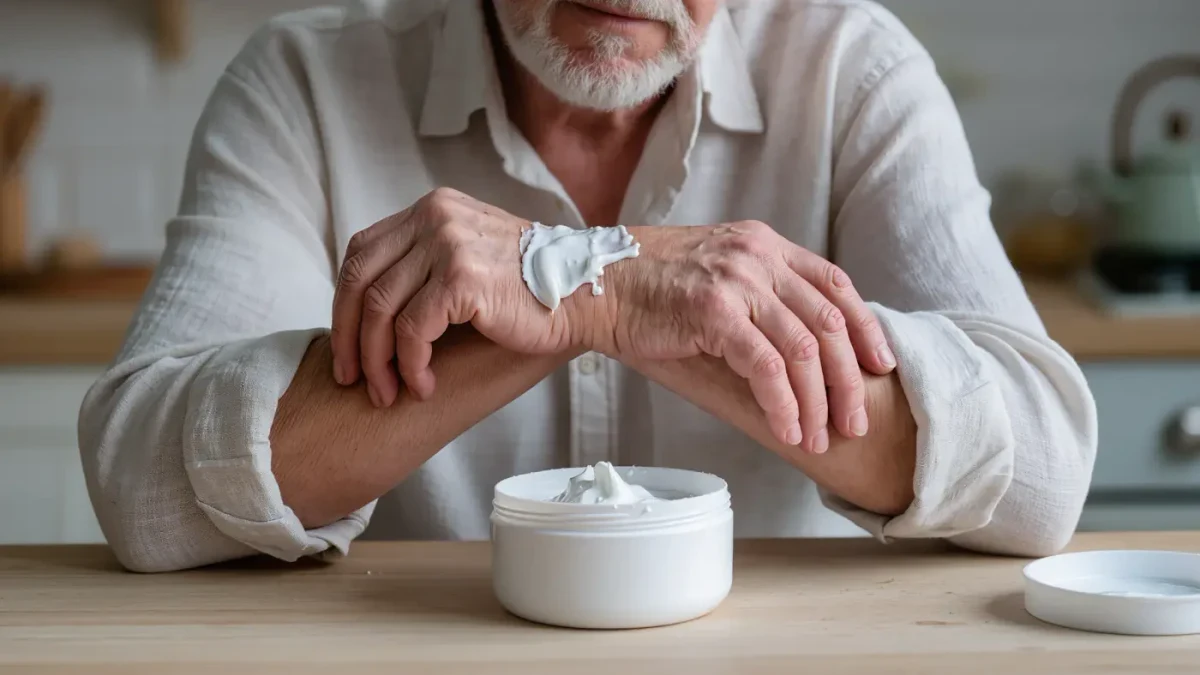
Urea is both a water-binding part of the skin's own moisturizing system and, above roughly 10 percent in a cream, a gentle keratolytic that smooths thick, rough patches.