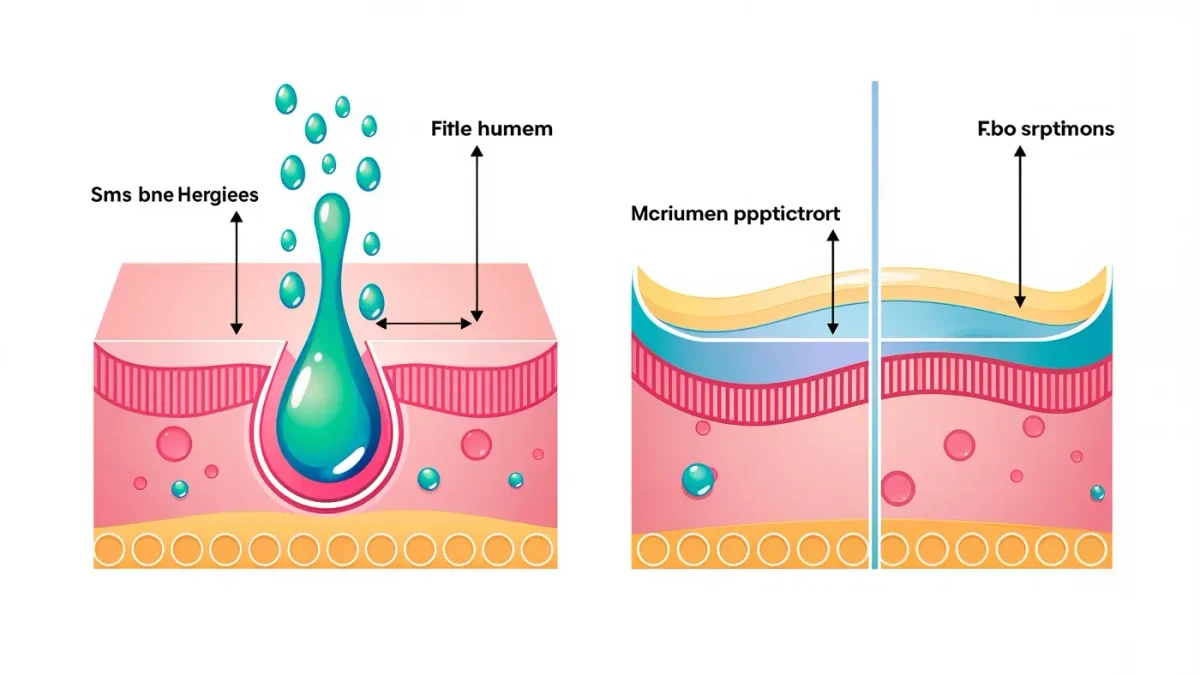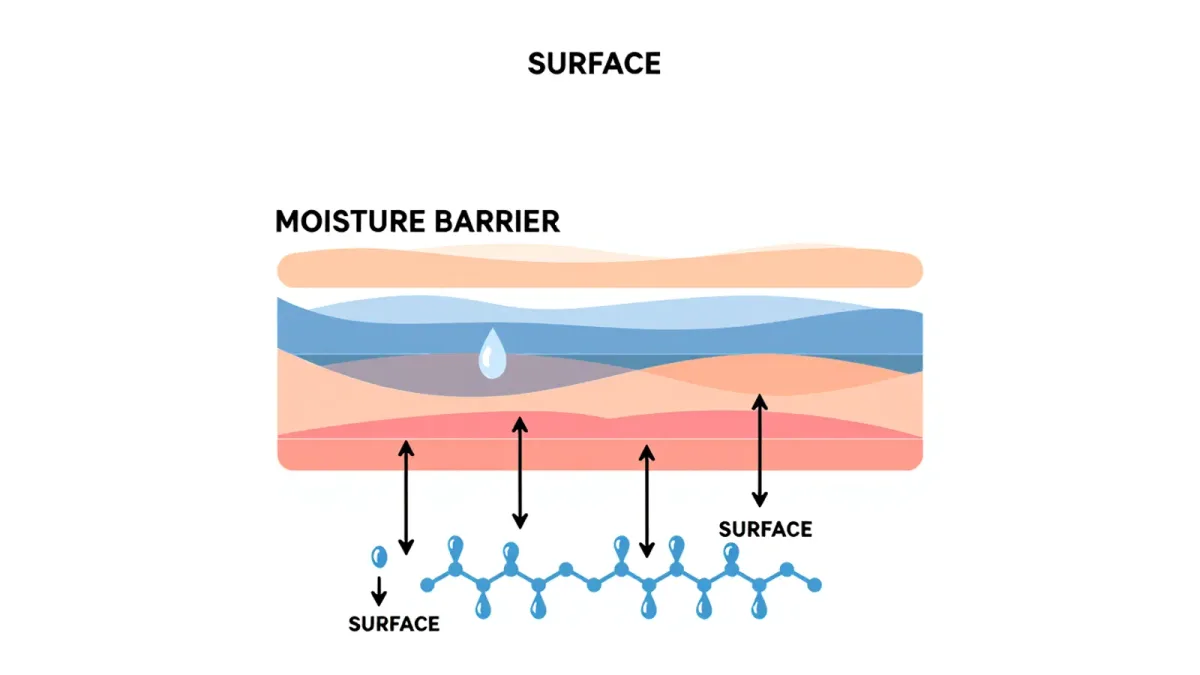
Hyaluronic acid is a humectant, which means it draws water into the skin rather than adding oil, and the way you apply it decides most of the result. A 70-kilogram adult carries roughly 15 grams of hyaluronic acid in the body, with about half of it in the skin, and the body replaces a large share of that supply every day, according to biochemical summaries of hyaluronic acid metabolism on NCBI's PubChem database. In a serum, the same molecule sits on the surface and holds water against the skin, which is why plumping and softening are realistic expectations and deep wrinkle repair is not.
BEAUTYISE publishes information, not medical advice. Hyaluronic acid is gentle for most people, but if you have a skin condition that flares easily, ask a dermatologist before adding new products, and patch test on your inner forearm for a couple of days first.
What does hyaluronic acid actually do?
It holds water. Hyaluronic acid is a sugar molecule that binds many times its weight in water, and in your skin it is part of the material between cells that keeps the surface supple. Reviews of hyaluronic acid summarized by NCBI describe it as a major component of the skin's extracellular matrix, where it supports hydration and elasticity. Applied topically, it is too large to travel far into the skin, so its real job is to raise the water content of the outermost layer. The visible result is skin that looks less tight and fine lines that look softer for a few hours, because dehydrated surface skin exaggerates every line.
Why can a hydrating serum feel drying?
Because water evaporates, and a humectant cannot stop it. If you smooth a hyaluronic serum onto dry skin in a dry room and nothing else, the water it holds can leave the surface faster than it arrived. The American Academy of Dermatology's guidance on moisturizers makes the same point in plain terms: apply moisturizer to damp skin and seal it in. The fix costs nothing. Apply the serum within a minute of cleansing while your face is still slightly damp, then press a moisturizer over it within a couple of minutes to lock the water in place.
How do you apply hyaluronic acid serum?
The whole routine takes about three minutes and uses products you already own. Dermatology guidance consistently pairs humectants with an occlusive layer, so the sequence matters more than the brand.
- Cleanse as usual, about one minute. Use lukewarm water, not hot, because hot water strips more of the surface lipids that keep water in.
- Leave the skin damp, roughly a minute after rinsing. Do not towel-dry completely. Damp skin gives the humectant water to hold. This is the single step most people skip, and skipping it is the usual reason a serum feels like it does nothing.
- Dispense two or three drops and press, do not rub. Press the serum over your face and neck with flat palms for about twenty seconds. If you use a toner, it goes before this step.
- Apply moisturizer within one to two minutes. A cream or lotion creates the seal that stops evaporation. In dry climates or winter, a thicker cream works better than a gel.
- Finish with sunscreen in the morning. Sunscreen always goes last in a morning routine, no matter what you layered under it.
Skip the serum entirely on nights when you use a heavy barrier ointment or a prescription product your doctor told you to apply to bare skin, and follow that instruction instead.
One more expectation to set: hydration and moisture are different currencies. A hyaluronic serum adds water; a cream adds the lipids that keep the water from leaving. Skin that feels tight an hour after moisturizing usually needs more of the second currency, not more drops of the first. If you own only one hyaluronic product and one moisturizer, you own the complete pairing, and adding a second serum of the same type mostly adds cost. Signs the system is working are quiet ones: less afternoon tightness, makeup that stops clinging to dry patches, and skin that feels comfortable straight after cleansing instead of squeaky.
Do different molecular weights matter?
Somewhat, but you do not need to manage it. Formulators use lower molecular weight hyaluronic acid that sits slightly deeper in the surface layers and higher weights that stay right on top. Reviews of topical hyaluronic acid note that mixtures of weights tend to hydrate the surface better than any single fraction, which is why ingredient lists often show several sodium hyaluronate variants. For a beginner, a mid-priced serum with two or three weights is a sound default; paying more does not buy measurably more hydration.
| Product type | Best for | Watch for |
|---|---|---|
| Watery essence serum | Oily and combination skin, layering under makeup | Dries fast; work on damp skin |
| Gel-cream with hyaluronic acid | Normal skin, one-step routines | Light seal; thin in winter |
| Rich cream with hyaluronic acid | Dry skin, cold or dry climates | Heavier feel; fine under sunscreen |
How often should you use it?
Twice a day is fine, and many people see the full benefit from once a day in the evening. Hyaluronic acid is naturally present in the body and topical reactions are uncommon, which reviews of its safety profile consistently note. If your skin stings from a hyaluronic product, the cause is usually another ingredient in the formula or a compromised skin barrier, not the hyaluronic acid itself. Stop, let the skin settle for a week, and reintroduce a simpler formula.
A travel note rounds out the picture: airplane cabins and hotel rooms are exactly the dry-air conditions where the damp-skin rule matters most. Decant a small bottle, apply it in the lavatory on damp skin, and carry a solid moisturizer stick for the seal. The same logic covers winter offices and long car rides with the heater on.
What hyaluronic acid will not do
It will not rebuild collagen, fade dark spots, or treat acne, and the FDA treats topical hydrating claims as cosmetic precisely because they concern appearance rather than structure. Think of it as a glass of water for the surface of your skin: real, visible, and temporary, which is exactly what a hydrator should be.