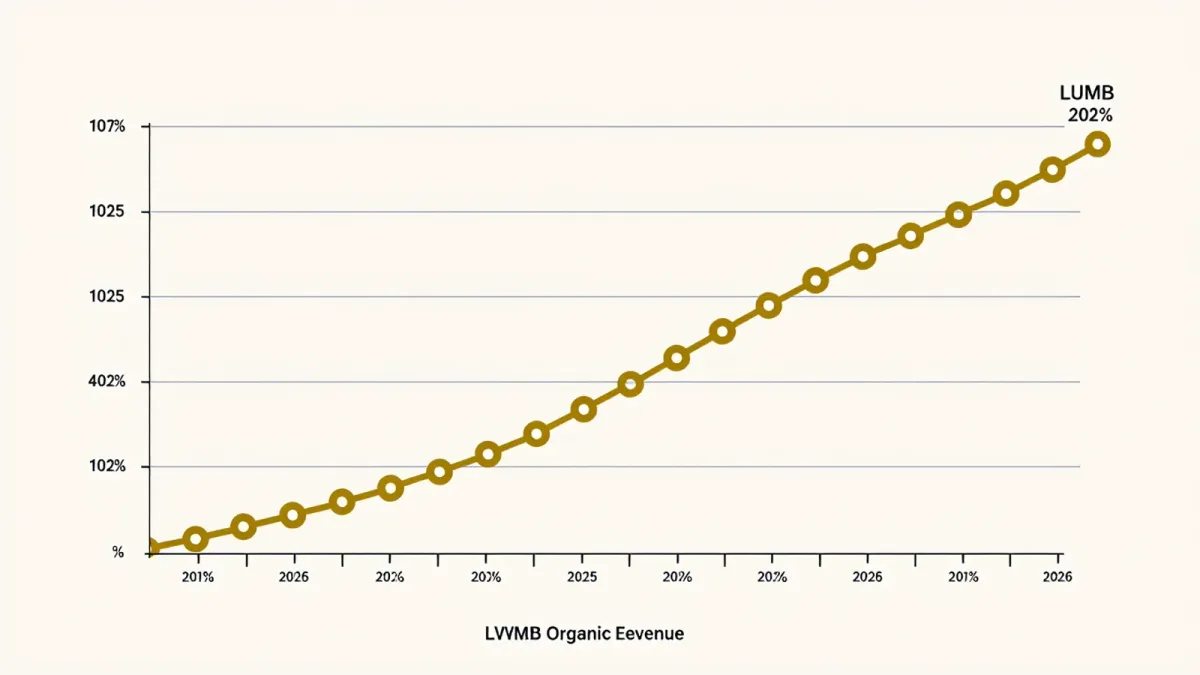
LVMH, the world's largest luxury group, reported first-half 2026 results on July 28, 2026 showing group revenue of 38.6 billion euros, with fashion and leather goods sales up 1% organically in the second quarter. Per Reuters, July 28, 2026, that modest figure missed analyst consensus and shares fell about 1.5% as the company failed to reassure investors on the pace of the luxury recovery, yet the print still marked a milestone: the first positive growth for the core fashion division in seven quarters.
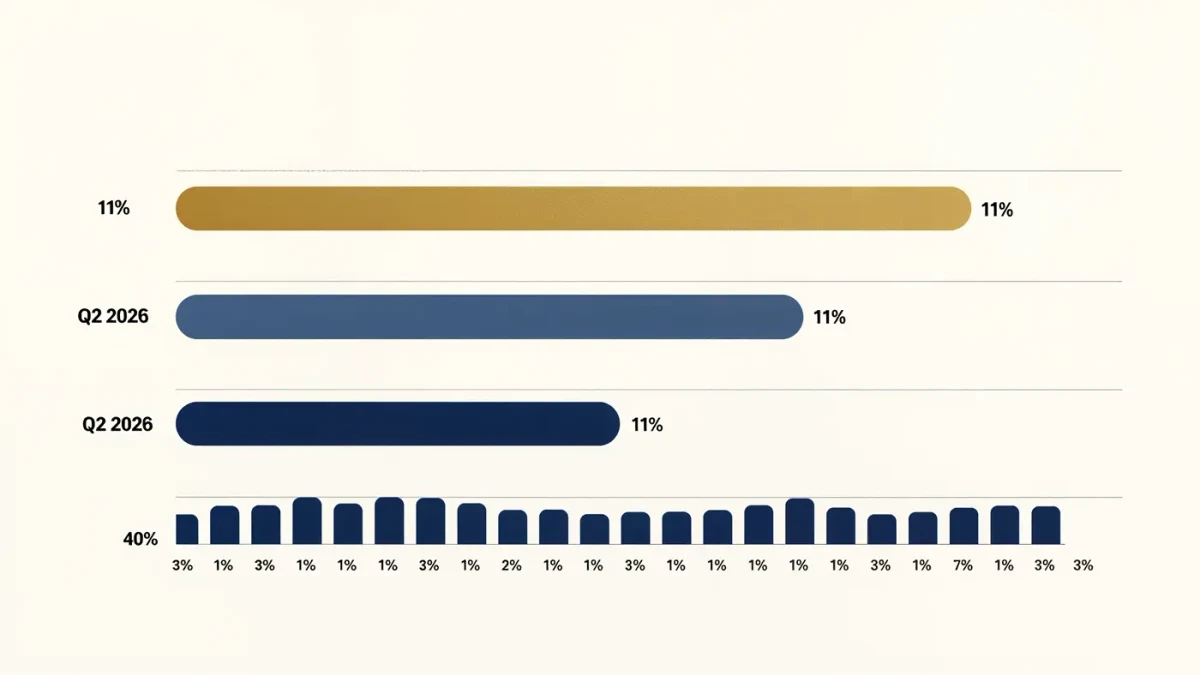
The stronger story sat in another division. Watches and jewellery grew 11% organically in the quarter, with Tiffany and Bvlgari performing strongest, aided by United States demand that offset damage from the Middle East conflict, per Reuters reporting around the July 27 and 28 results. For consumers, the two numbers describe a market where hard luxury is booming while clothing and handbags tread water, and that imbalance shapes discounting, boutique service and product mix for the rest of 2026.
Why did fashion grow while shares fell?
Because expectations moved faster than results. After several quarters of decline, analysts wanted a clear rebound, and 1% organic growth in fashion and leather goods did not provide one. Per Reuters, July 28, 2026, shares slipped as investors weighed the miss against early signs of recovery, including the return to growth after seven negative quarters and an improving trajectory from the first quarter's 2% decline.
The first half overall told a mixed story: sales rose 2% organically but fell 3% on a reported basis, reflecting currency effects and the drag from conflict-affected travel retail.
What does the jewellery boom mean for shoppers?
Jewellery has become luxury's growth engine, and brands direct investment where growth lives. Expect expanded Tiffany and Bvlgari collections, more boutique space devoted to fine jewellery and heavier marketing through the holiday season. Per Reuters, July 28, 2026, analysts flagged jewellery as the segment helping shape luxury's winners this year.
For buyers, a booming category means fuller-price selling. Jewellery rarely discounts, and strong demand reduces the odds of promotions, so waiting for a sale on a gold or silver piece from a major house is a losing strategy in 2026. Entry-level fine jewellery from these brands will likely see price increases rather than markdowns as metal costs and demand both rise.
Will handbag and clothing prices soften instead?
Unlikely at the flagship level, but promotional intensity rises at the edges. With fashion demand flat, brands protect headline prices and push value through private sales, boutique events and outlet channels instead. Per LVMH's own first-half release, the group emphasized accelerating second-quarter growth and continued investment in its most desirable brands rather than price cuts.
The consumer takeaway is timing, not hope. Core clients buy at full price at launch; patient shoppers find last season's styles in outlets by late autumn. A watch or jewellery purchase in 2026 carries the stronger resale floor, while a handbag bought at an end-of-season outlet discount is the year's most efficient use of a fashion budget.