What you wear each day is shaped by fashion weeks, but not right away. A look that walks a runway in one season usually reaches stores, and then high-street racks, about six months later. The gap is the whole story: designers show collections early, buyers and retailers order from them, and mass brands reinterpret the ideas at prices most people can pay.
That pipeline is easier to see than ever. Fashion coverage now tracks each step in public — the shows, the street style, and the shopping edits that follow. Hello! Fashion reported during the spring/summer 2027 season that fringed skirts were trending, championed by Burberry, Bottega Veneta and Roberto Cavalli, and that a deep cherry red was taking over the catwalks for autumn. Those two details — a texture and a colour — are exactly the kind of thing that travels from runway to everyday wardrobe fastest.
This explainer traces the journey. Where does a trend start, who moves it along, and how do you spot it arriving in your own closet without buying a whole new wardrobe?
What actually happens at a fashion week?
A fashion week is a scheduled series of runway shows where designers present their next collection to the press, buyers and stylists. The big four — New York, London, Milan and Paris — each host one, and they run back to back across roughly a month, twice a year. We covered a connected angle in Paris Men's Fashion Week Tests Summer 2027 Style Against a Record Heat Wave.
The timing is confusing on purpose. A spring/summer show happens the previous autumn, because retailers need months to place orders, produce stock and plan deliveries. So when you read about Milan Fashion Week SS27, the clothes being shown are meant for a season still far ahead.
Two audiences matter for your wardrobe. Buyers from department stores and boutiques decide what to stock. Editors and creators decide what gets photographed, written about and talked about. Both groups feed the same outcome: certain shapes, colours and fabrics become visible everywhere at once.
How does a runway look reach the high street?
The journey usually happens in stages, and each stage widens the audience.
- The runway debut. A designer shows an idea — say, a fringed skirt — in its most exaggerated form. Runway clothes are statements first, garments second.
- The press filter. Editors pick the trends worth naming. This is where a look gets its shorthand: "cherry red" rather than "a specific shade of deep red". Coverage like Hello! Fashion's trend roundups from the SS27 shows is the bridge between the runway and the shopper.
- The retail order. Buyers translate the trend into stock decisions. Designer versions arrive in stores first, at high prices and in small quantities.
- The high-street version. Mass brands watch the same shows and produce accessible interpretations — the fringe softened, the cherry red mixed into knits and coats. This is the stage most people actually encounter.
- The everyday adoption. The trend stops being "a trend" and becomes just a thing people own. A fringed bag here, a red scarf there.
The whole cycle typically spans several months, which is why a colour you first saw on a catwalk in September feels normal by the following year.
Which trends travel fastest — and which never leave the runway?
Not every runway idea is meant for daily life, and knowing the difference saves money.
Trends that travel fastest share three traits. They are easy to copy, they attach to items you already own, and they photograph well. Colour is the classic example — a cherry-red hue reported across the catwalks can show up in everything from a lipstick to a coat, so brands of every price point can join in. Texture trends like fringe also travel well, because a hint of fringe on a bag or hem reads as on-trend without a full commitment.
Trends that stay on the runway tend to be structural: the sculptural gowns shown at couture week, for instance, exist to demonstrate craft rather than to be worn to the office. Couture sits at the top of the fashion system and works more like an idea lab than a product line.
Our analysis: the trends that reach you fastest are the ones that can be expressed with something small — a colour, an accessory, a hemline. If a trend requires a whole new silhouette, expect to see it diluted before it reaches the high street.
What this means for your everyday wardrobe
You do not need to watch a single show to benefit from them. But a little awareness changes how you shop.
First, timing. If you see a trend everywhere in the press, the high-street versions are usually a season behind — which means waiting can get you the same idea for less. Second, translation. Ask what the trend's everyday version is. Fringe on a runway is a full skirt; in daily life it is a bag charm or a hem detail. Cherry red on a catwalk is a head-to-toe look; in daily life it is one piece worn with neutrals.
Third, proportion. Runway styling is amplified for the camera. The wearable core of most trends is smaller than the photos suggest.
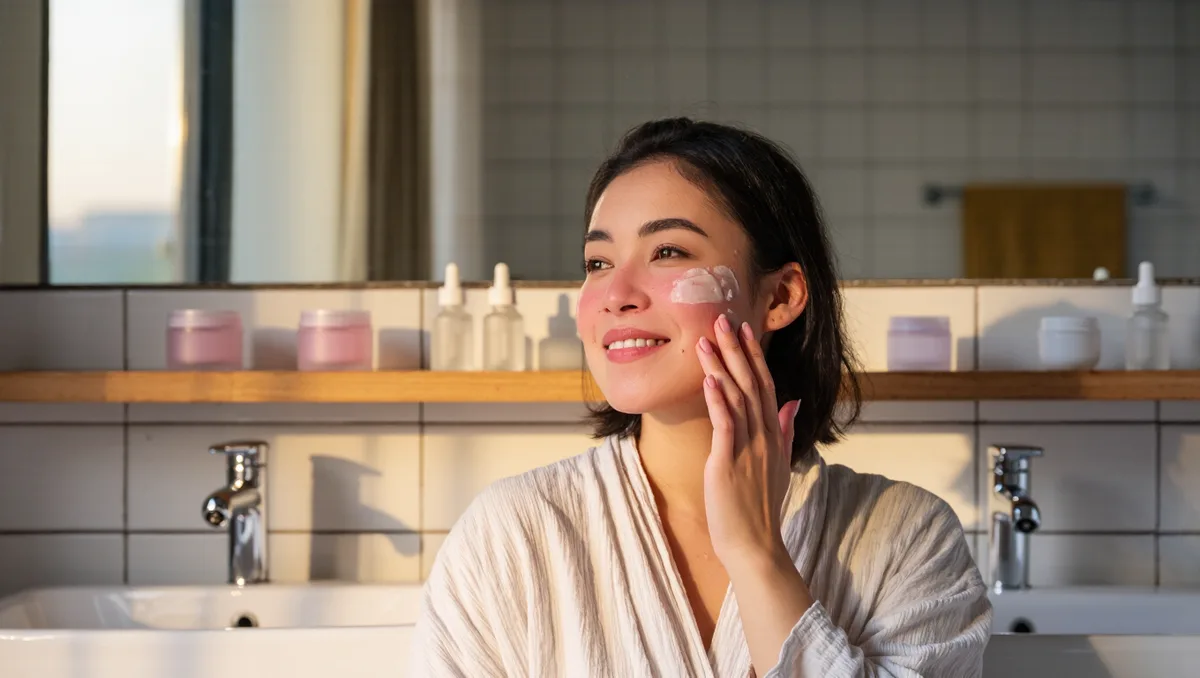
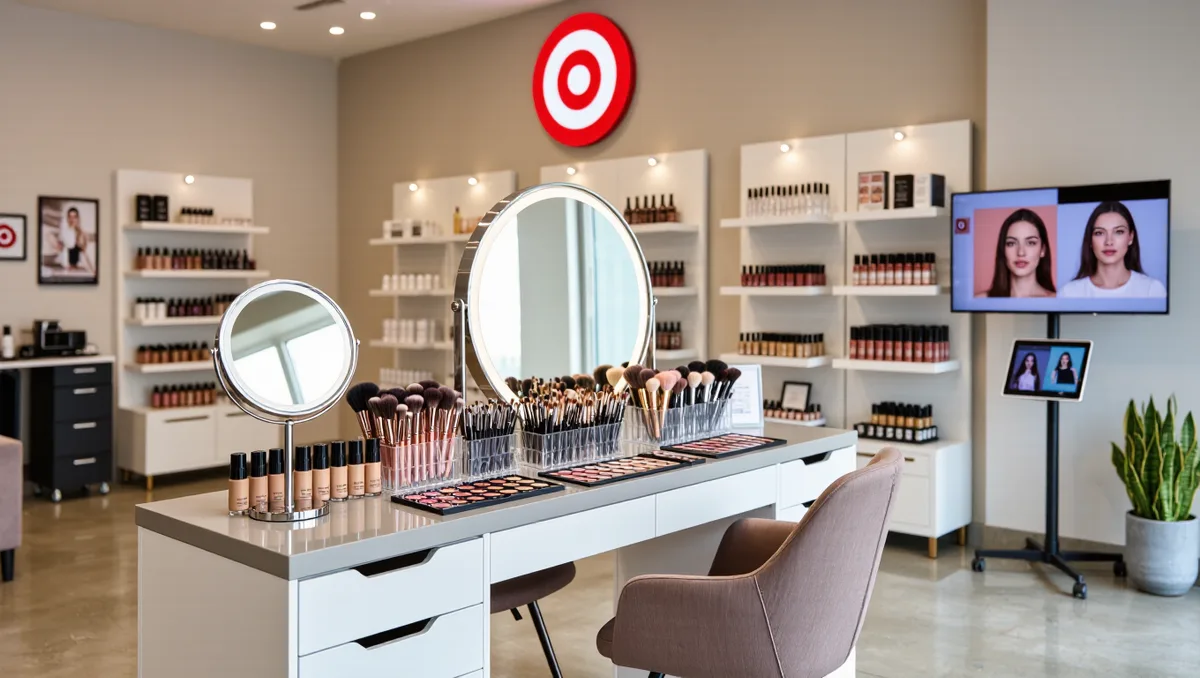
And beauty trends follow the same pipeline. Makeup looks shown backstage at the big shows — a skin-first base, a bold lip — filter down to product launches and tutorials within a season or two, the same way clothing does. We cover that side of the pipeline in our Fashion News section, including how launches like e.l.f. and Bubble's hybrid line bets on skin-first makeup translate runway thinking into products you can buy.
Do you need to follow fashion weeks at all?
No — but knowing the rhythm helps you shop smarter. The shows happen twice a year, the coverage follows within days, and the products follow within months. If you enjoy trends, the useful moment to pay attention is not the show itself but the shopping edits that appear a season later.
A gentle rule of thumb: let the shows introduce ideas, and let your own closet decide the timing. One trend piece per season, chosen because it suits you, is how runway influence is meant to work. The goal is not a transformation. It is a wardrobe that feels current without being costume.
The takeaway
Fashion weeks influence your daily outfits through a long, well-documented chain: designer show, press coverage, retail orders, high-street copies, everyday adoption. The trends that reach you are the simple ones — colours, textures, small details. Everything else stays on the runway, where it belongs. Understanding that delay is the difference between chasing trends and choosing them.