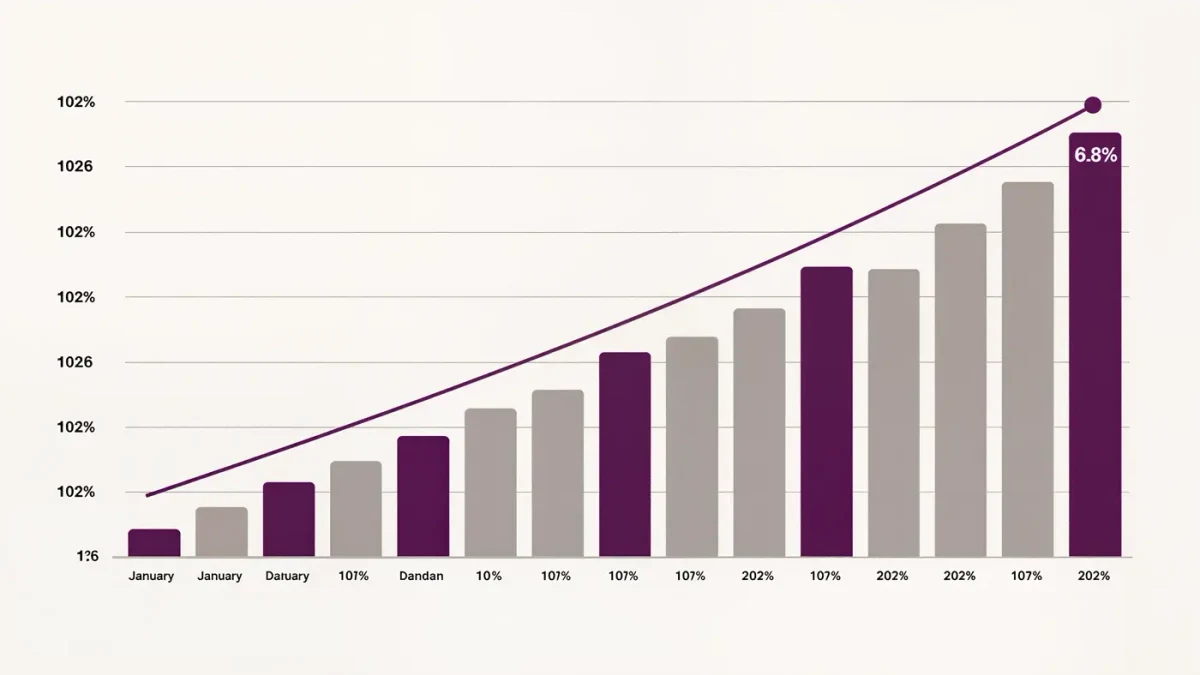
Inditex, the owner of Zara, reported a strong start to summer trading on June 3, 2026, with store and online sales up 11.5% in constant currency between May 1 and June 1, per Reuters, June 3, 2026. The figure beat analysts' forecast of about 8% growth and arrived alongside a gross margin of 61.2%, defying a broader consumer-confidence slump in Europe. For shoppers, the result is a read on how the world's largest fast-fashion group will price and stock the second half of the year.
The contrast with rivals gives the number its meaning. Per Reuters, June 3, 2026, the sales surge outpaced H&M, Inditex's closest competitor, which has struggled with inflation-squeezed European consumers. A company selling well can hold prices; a company selling poorly discounts. The 11.5% figure suggests Zara's strategy of sharper inventory and weekly newness is still pulling demand at full price.
What does a 61.2% gross margin mean for shoppers?
Gross margin is the share of revenue left after the cost of making goods, and 61.2% is high for mainstream fashion. Per Reuters, June 3, 2026, Inditex lifted margin despite rising costs, which indicates the group is selling a larger share of garments at or near full price.
For consumers the implication is mixed. Healthy margins fund faster design cycles and better logistics, which is why Zara's new arrivals feel current. But they also mean fewer forced markdowns, so shoppers waiting for discounts may wait longer this summer. The practical play is to buy core items early in the season and reserve discount expectations for end-of-season clearance, which will still come, typically from late June in Europe.
Why is Zara outperforming while consumers cut back?
Inditex competes on speed and volume of newness rather than lowest price. Its model delivers fresh designs to stores twice a week, and its supply chain can move a design from sketch to shop floor in weeks rather than months. When household budgets tighten, shoppers consolidate spending on retailers that always have something new, and per Reuters, June 3, 2026, that behavior lifted Inditex's May while rivals stalled.
The result also reflects pricing strategy. Zara positions slightly above ultra-fast-fashion apps but below premium brands, capturing shoppers trading down from luxury and up from bargain basements in the same season.
Will prices rise in the second half of 2026?
Selective increases are likelier than broad ones. The company noted favorable calendar effects in the May reading, per Inditex's own release, and rising costs mentioned in the Reuters report point to continued price discipline rather than cuts. Shoppers can expect stable prices on basics, premium pricing on collaboration and linen lines, and heavier promotional activity from weaker competitors, which is where the real bargains of summer 2026 will appear.