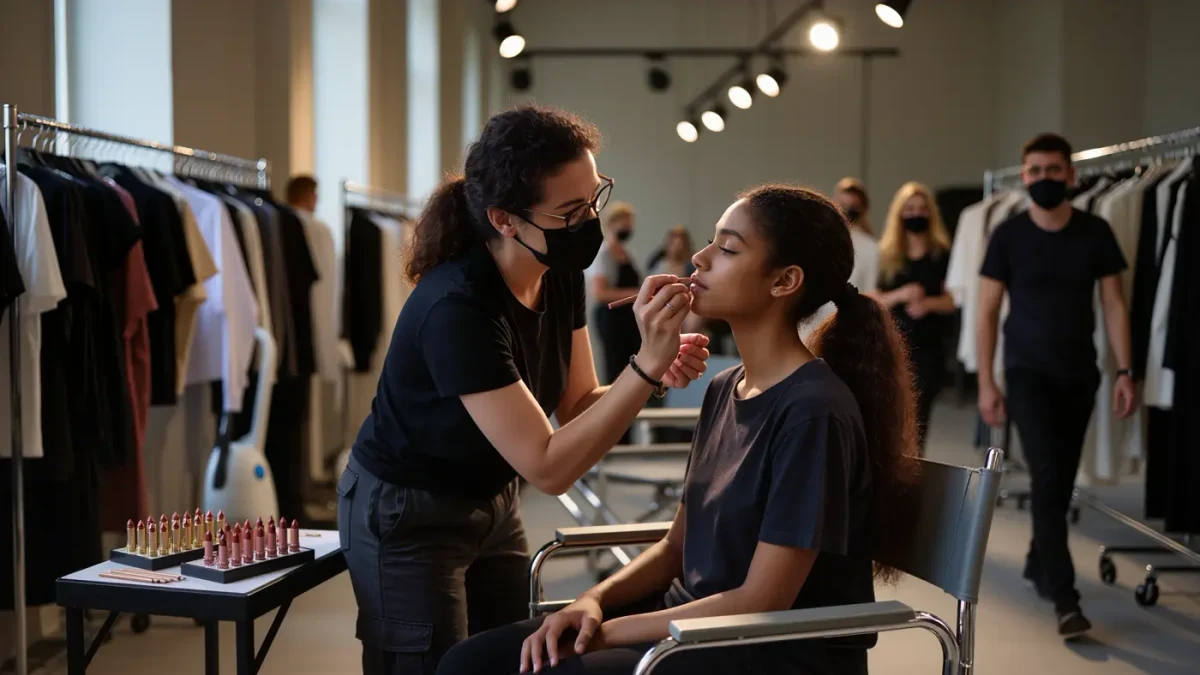
You need lip liner in three situations: your lipstick bleeds into fine lines, your color fades unevenly within a few hours, or you are wearing a dark or bold shade that shows every edge mistake. Outside those three cases, lip liner is optional; a well-behaved lipstick on smooth lips does not need a guard rail. Lip liners are color cosmetics like any other, and the FDA regulates their pigments and labeling, so the question is purely practical, not one of safety (FDA, 2026).
What does lip liner actually do?
Three jobs. First, it forms a barrier: liner wax is denser than lipstick, so it blocks oils and pigments from migrating into the vertical lines around the mouth, which is what people mean by bleeding or feathering. Second, it anchors color: a liner base gives lipstick something to grip, and lips lined all over before lipstick hold color roughly twice as long through coffee and meals. Third, it defines edges: a crisp perimeter makes bold shades look deliberate, the way an outline makes a drawing look finished.
Which shade of liner should you buy?
One liner covers most needs: a shade that matches your natural lip color, sometimes called your-nips-but-better in beauty shorthand. It sits invisibly under any similar-toned lipstick, works alone, and can ghost outward slightly for fullness without looking drawn on. A second liner matched to a specific bold lipstick is worth buying only if you wear that shade often. Match by tone rather than by exact color; a liner a half-step darker than your lips reads as fuller, while one dramatically darker than your lipstick looks like an outline from another drawing.
How do you apply it correctly?
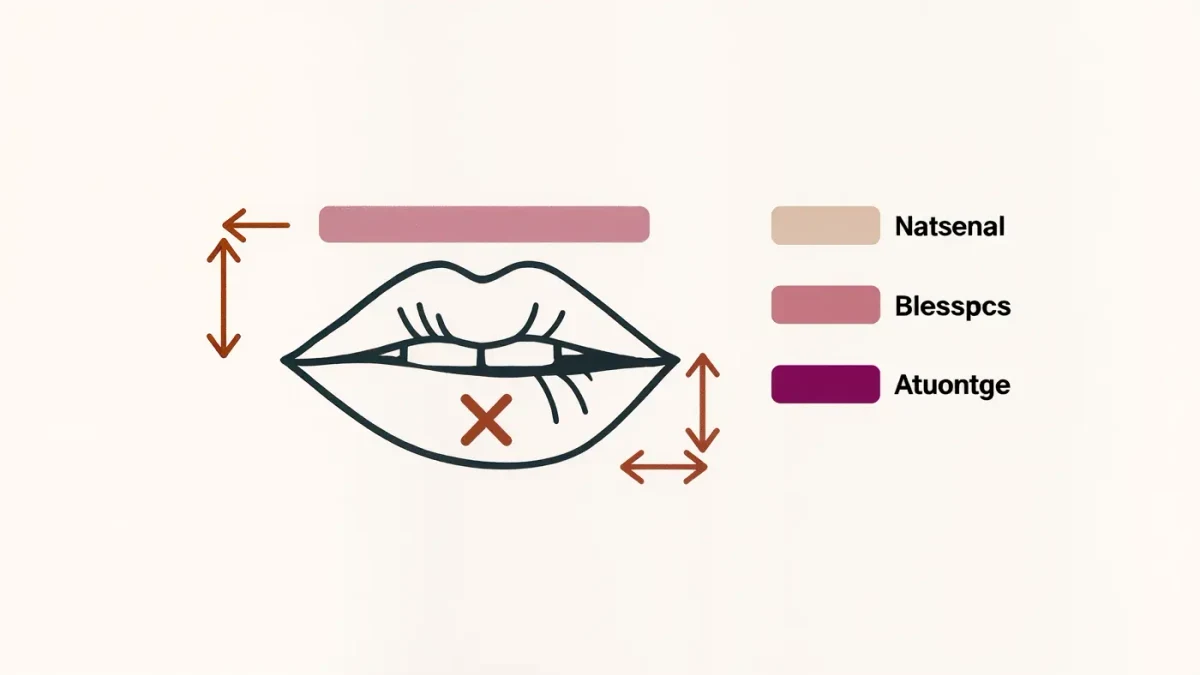
- Start at the cupid's bow. Rest your pinky on your chin for stability and draw a small X at the bow's two peaks, then connect them. This anchors the whole shape.
- Mark the corners. Place short ticks at each corner of the mouth; the corners decide whether lips look straight, upturned, or downturned.
- Connect with short strokes. Join the bow to each corner in small, light segments rather than one long drag. Short strokes follow the lip border more accurately and look less severe.
- Decide on filling. For long wear, fill the entire lip with liner as a base, then apply lipstick on top. For definition only, leave the center bare so lipstick has a softer edge to melt into.
Two minutes covers all of this. Soften any harsh line by pressing your lips together once and blurring the border with a fingertip or a small brush.
When can you skip liner entirely?
- Nude and lip-matching everyday balms and sheer colors on smooth lips, where bleeding is unlikely and edges are forgiving.
- Gloss-only looks; liner under gloss can look stiff, though a full liner base under clear gloss is a legitimate long-wear trick.
- Quick reapplication situations, where the extra step is the difference between doing your lips and not.
Age matters less than texture: liner becomes more useful as vertical lines appear around the mouth, at any age, because bleeding follows lines rather than birthdays.
Does liner make lips look bigger?
Modestly, and only within the natural border. Overlining a millimeter outside the lip line, especially at the cupid's bow, reads as fullness in photos and in person. Overlining further than that reads as overlining, because the outer edge of the lip lacks the texture of lip skin. Keep the overline inside one millimeter, use a shade close to your natural lip, and blur the drawn edge so there is no visible step between skin and liner.
What is the difference between wax and gel liners?
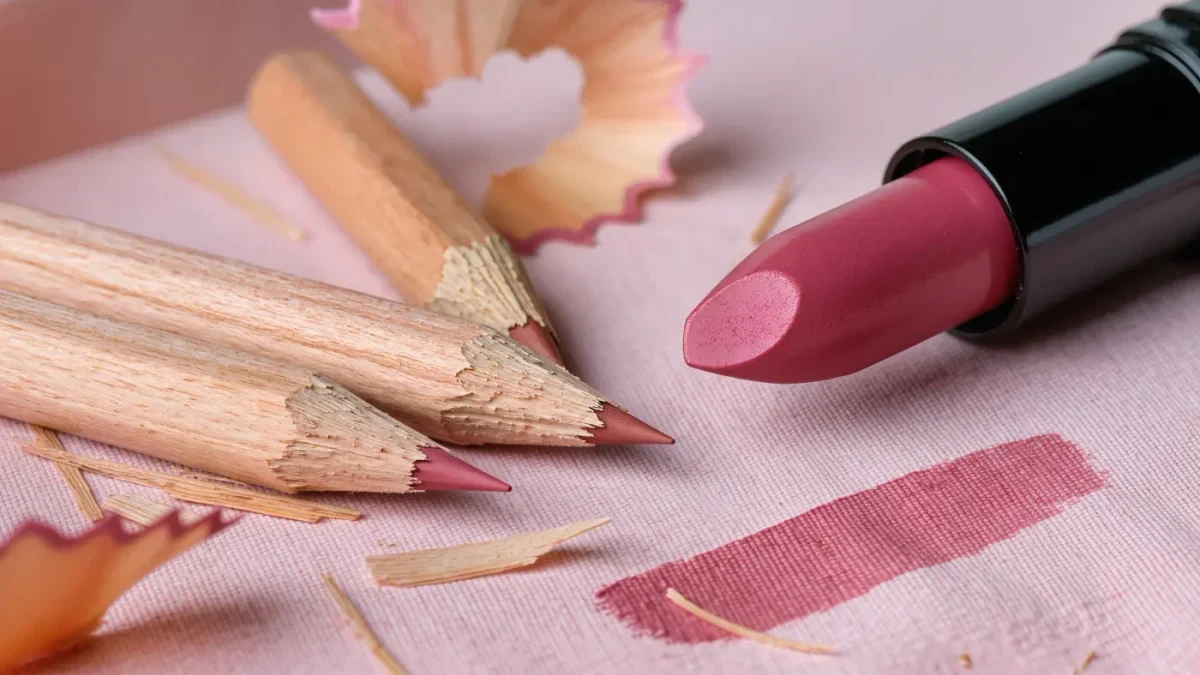
Classic wood pencils are wax-based: firm, precise, and easy to sharpen to a point. Retractable gel liners are softer and glide faster, which suits full-lip filling but needs a lighter hand at the edges. Liquids are for stamped or graphic looks and are the least forgiving for beginners. For the three jobs above, a classic wax pencil remains the most useful single format.
| Format | Best for | Watch out |
|---|---|---|
| Wood wax pencil | Precise edges, everyday definition | Needs sharpening; a dull tip draws thick lines |
| Retractable gel | Filling the whole lip quickly | Soft tip breaks if over-extended |
| Liquid liner | Graphic, stamped edges | Unforgiving of mistakes; not for beginners |
FAQ
Should lip liner be darker than lipstick?
No, not by default. The classic dark-liner look is a deliberate style choice, but for wear and bleed control the liner should match either your natural lip or your lipstick closely. A dramatically darker liner under a light lipstick reads as a hard outline.
How do I stop lipstick bleeding without liner?
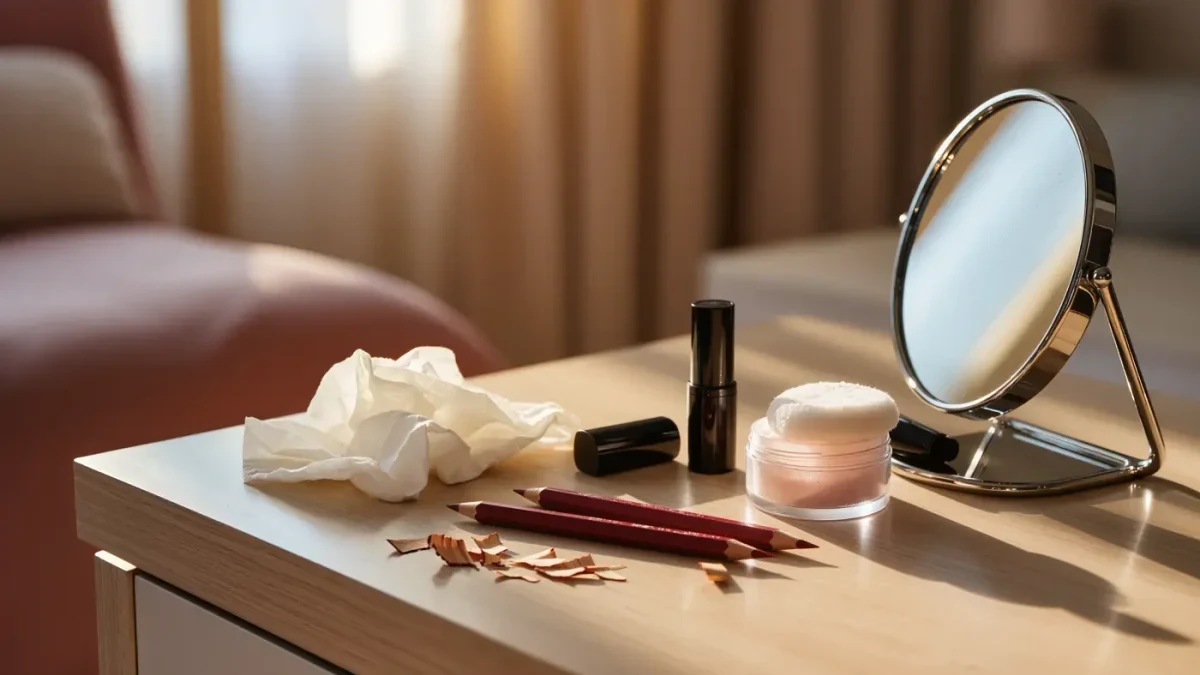
Prep and placement do part of the job: exfoliate flaky lips, apply a thin balm and blot it, apply lipstick with a brush in thin layers, and blot between layers. A translucent powder pressed through tissue over the lip edge also sets the perimeter. Liner simply does this job faster.
Can I wear liner alone?
Yes. A liner matched to your natural lip, filled in fully and blurred with a fingertip, is one of the most natural finishes available and lasts through most of a coffee. This is the single best use of the your-natural-lip liner shade.
How long does lip liner last once opened?
Most liners carry a period-after-opening symbol of 12 to 24 months. Sharpening wood pencils regularly also removes the oldest surface layer. Discard any liner that drags, smells off, or irritates your lips.