Quiet luxury is an aesthetic of dress built on understated pieces, quality materials, and timeless styling, with no visible logos, according to a Wikipedia overview of the trend. On a shopping list it turns into plain tailoring, a tight neutral palette, and fewer choices made with more care. Elle UK, citing the trend tracker Tagwalk, reported that black, white, grey, and beige stood out at the fall 2023 shows.
The label describes habits more than a budget. The same reference ties the look to premium pricing, so the realistic play is spending where quality shows and skipping the logo chase. That makes it a shopping method as much as a look.
What does quiet luxury actually mean?
The overview notes that the phrase names understated elegance, high-quality materials, and timeless styling with no open markers of wealth. It sits near stealth wealth and old money style, though the uses differ a little. Elle UK's explainer calls it new-age minimalism, with a focus on investment pieces and thoughtful shopping habits. Both agree on the core: the clothes whisper, and the cut does the talking.
Which fabrics and cuts carry the signal?
The sources point at materials and shape, not brand names. Wikipedia lists craftsmanship, design quality, and construction among the markers, plus classic styles that resist passing trends. Elle UK describes the signature as harmony in palette, textures, and shapes, citing Maja Dixdotter, creative director of By Malene Birger, on that point. Neither source names exact fabrics, and that is useful in itself. The signal is quality you can check by weight, hand-feel, and finish, not a fiber printed on a label. Readers following this should also see Versace Names Pieter Mulier Chief Creative Officer in a Five-Year Reset.
What goes on the actual list?
Translate the definition into line items and the list stays short.
- Plain pieces with no logos, since open markers of wealth run against the look
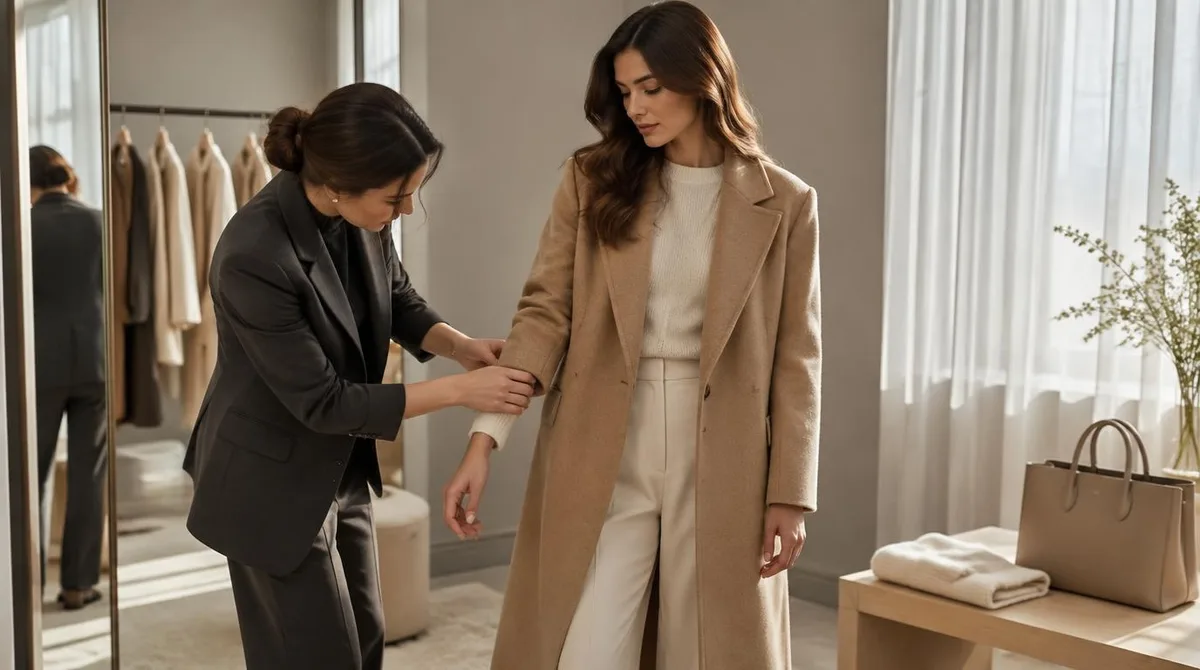
- Tailored shapes over loud prints, in line with the refined tailoring the Elle UK piece describes
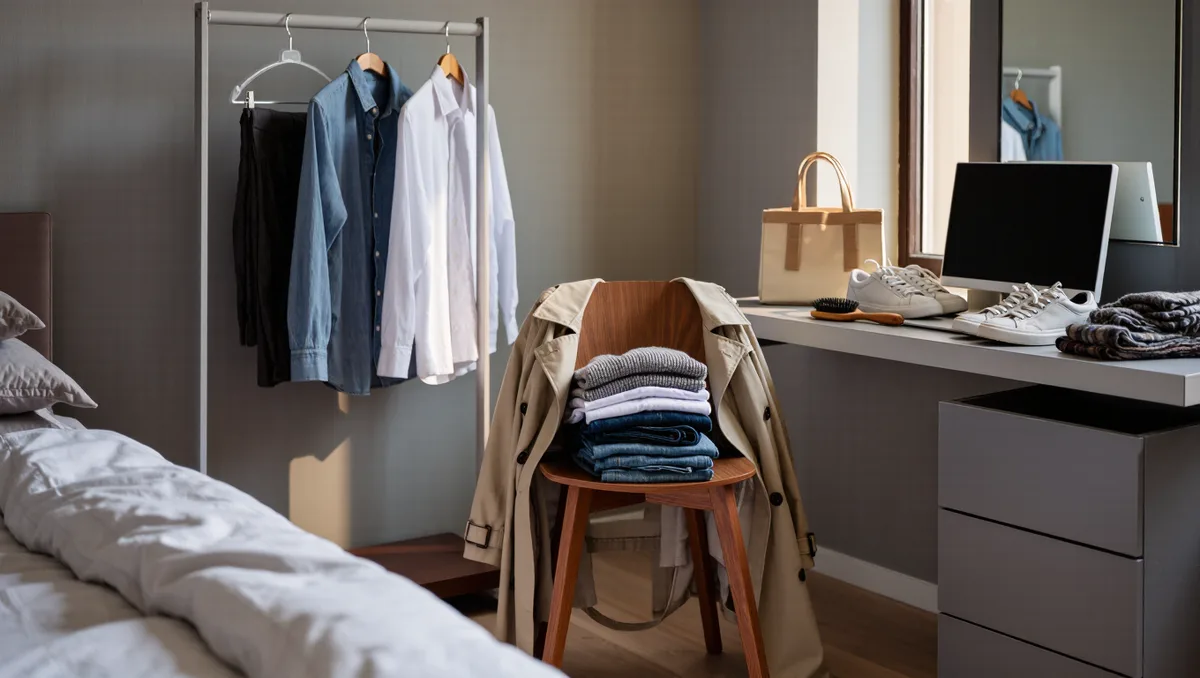
- Neutral shades first: black, white, grey, and beige led the fall 2023 shows, per Tagwalk's counts
- Well-made items picked for construction and design quality, per the Wikipedia overview
- Long-lasting picks over trend churn, since the aesthetic favors timelessness
Five lines cover most of it. Everything else is styling, which costs nothing.
How much does it really cost?
The price reality is plain. Wikipedia ties the aesthetic to premium pricing and exclusivity through cost, and the heritage labels it names sit at the top of the market. Elle UK's angle differs a bit: investment pieces and thoughtful habits, which shifts the weight from how much to how often. The nearest budget advice in the sources is their stress on longevity. Buy for the long run, wear it for years, and the math changes. Neither source promises a cheap version of the look.
Is the trend already over?
Trend cycles moved on, by some accounts. Wikipedia notes that by January 2024, the label was seen as dated after the 2024 Paris shows brought back more flair. The same entry traces the 2023 wave to the Succession series, the Gwyneth Paltrow trial wardrobe, and post-pandemic spending, with some calling the mood recessioncore. Even if the name fades, the habits it describes are older than the trend. The overview traces the stance back to the 18th and 19th centuries, when new elites dressed down to stand apart from courtly display. We covered a connected angle in Paris Men's Fashion Week Tests Summer 2027 Style Against a Record Heat Wave.
Conclusion: a list, not a logo
Quiet luxury, on paper, is a short list: no logos, a tight neutral palette, tailored shapes, quality construction, and pieces meant to last. The price is real, and the sources make no budget promise. What outlasts the trend name is the habit underneath it: buy slowly, choose well, and wear things for years. Start with a single neutral piece and let the list grow from there.