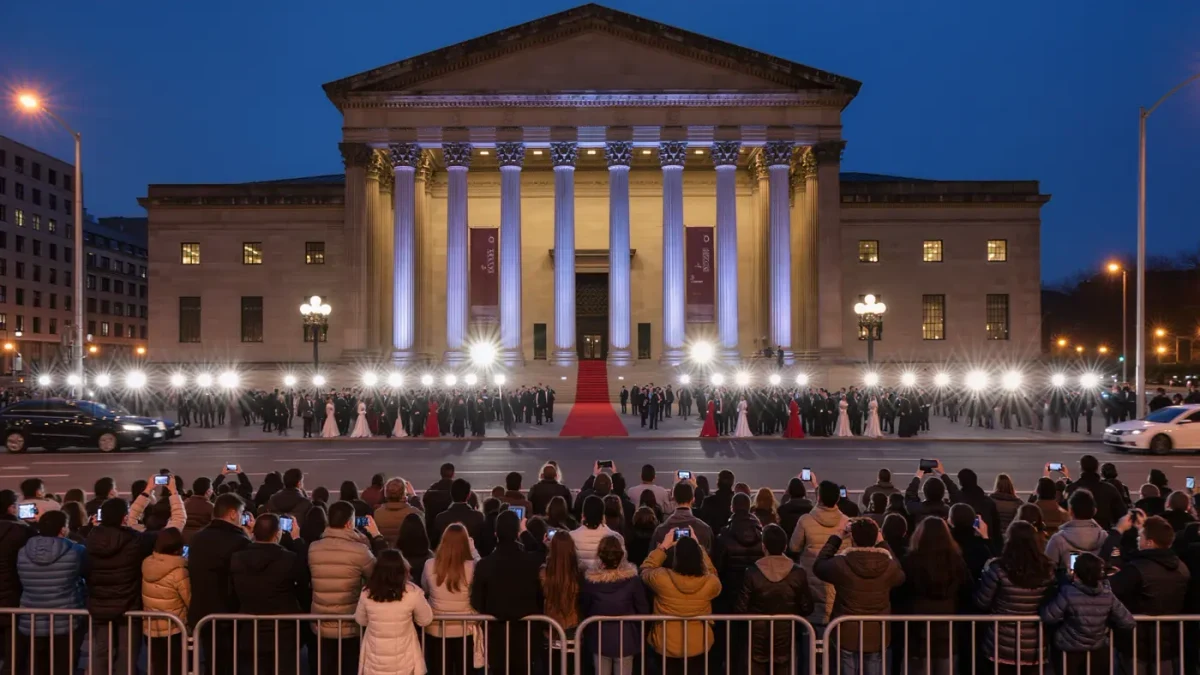
The Met Gala took place on Monday, May 4, 2026, at the Metropolitan Museum of Art with the theme Costume Art, which the Costume Institute framed as an exploration of fashion as an embodied art form. Per BBC coverage of the gala, the theme invited attendees to express their own relationship to fashion, and the resulting looks leaned sculptural: exaggerated silhouettes, corseted structures and fabrics treated like material for sculpture rather than daily wear.
The event matters to non-attendees because the Met Gala functions as the year's largest trend amplifier. Looks from the red carpet cascade into occasionwear, bridal and evening collections within months, and the associated Costume Institute exhibition keeps the theme in view for visitors through the summer. For readers building a wardrobe routine, the gala is best treated as a direction indicator rather than a shopping catalog.
What did the Costume Art theme actually celebrate?
The theme put the relationship between clothing and the human body at the center, per BBC coverage of the gala's most discussed looks. In practice that produced garments emphasizing form over decoration: padded and molded shapes, visible structure, draping that traced the body. The framing favors construction, which is why tailoring and corsetry references dominated commentary.
The exhibition accompanying the gala extends the idea beyond celebrities, historically displaying garments from the museum's collection alongside contemporary pieces. Visitors and home viewers can use it as a reference library for how volume and structure have cycled through fashion history.
How do Met Gala looks translate into wearable fashion?
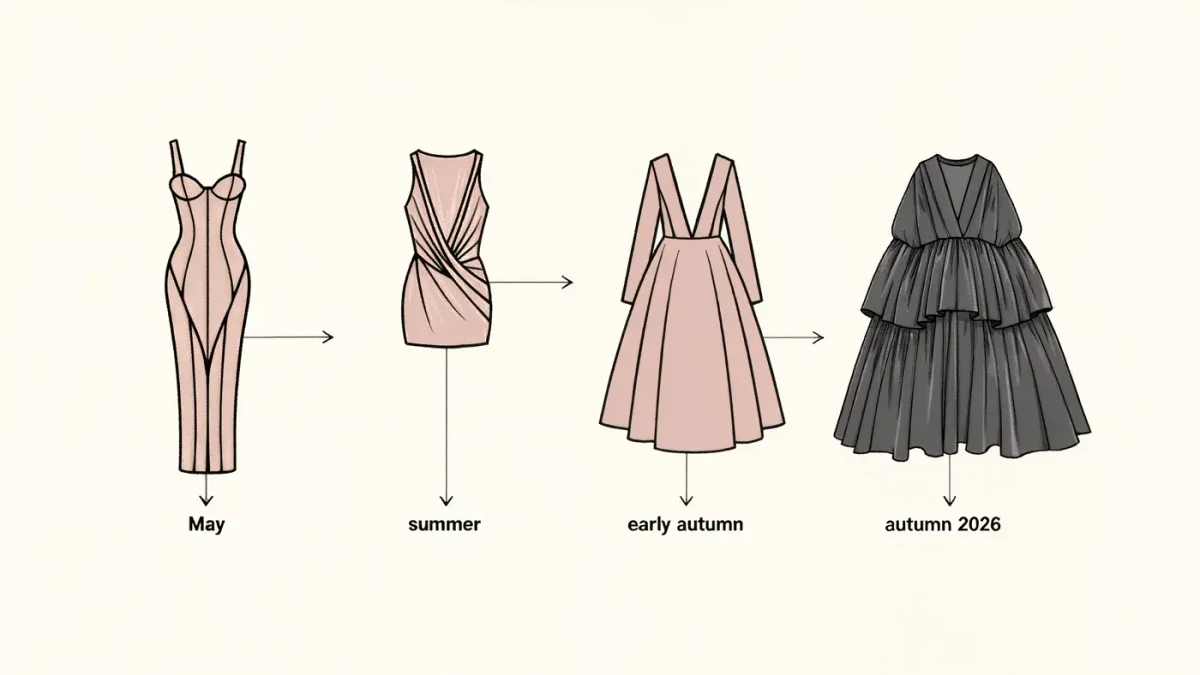
Translation happens at three speeds. Fastest is occasionwear: structured bodices and draped gowns seen on May 4 influence prom, wedding-guest and evening ranges in stores by late summer 2026. Medium speed is detail adoption, such as sculptural shoulders or corset seaming appearing in jackets and knitwear for autumn. Slowest is color and mood, which filters into collections over a full year.
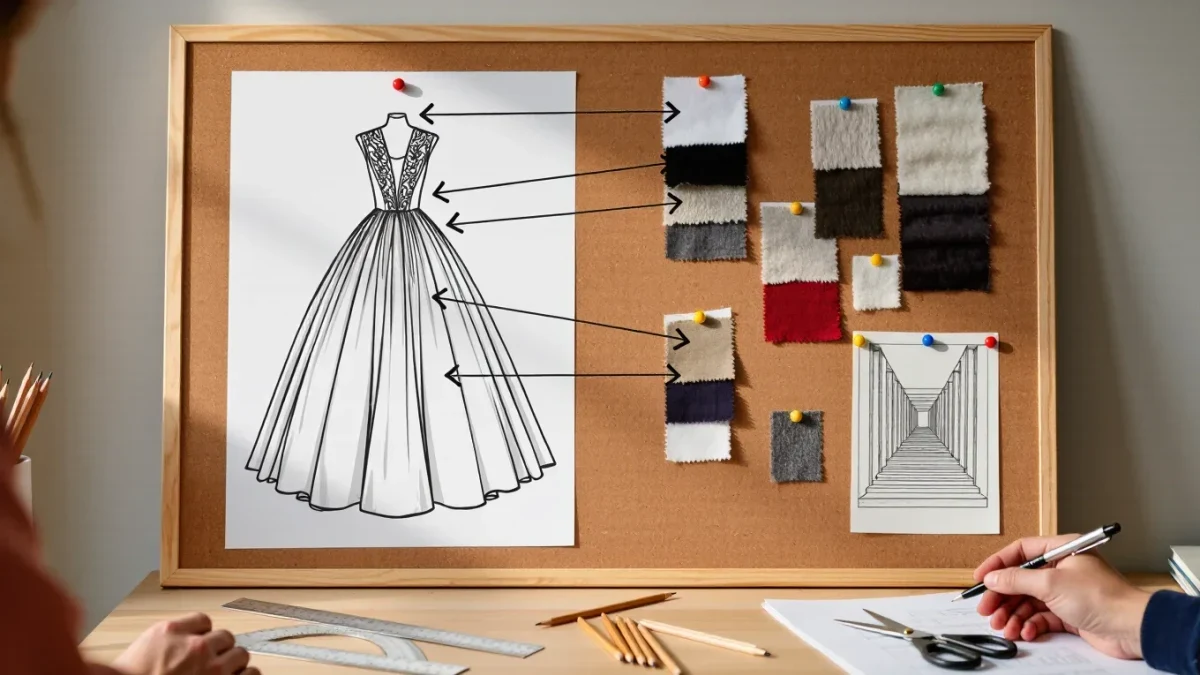
A practical approach for everyday dressers is to borrow the idea at 10 percent scale. If the red carpet shows full-body sculptural volume, a molded-shoulder blazer or a bias-cut draped skirt captures the direction in an office-appropriate way. Buying one structural piece per season is a more realistic routine than chasing head-turning looks that have no daytime function.
Does the theme predict what will sell in 2026?
Sometimes, and usually at the accessible end first. Costume-level garments rarely sell as shown, but retail buyers use the gala to confirm appetite for drama after several subdued seasons. Per BBC coverage, the 2026 event drew wide attention for its most talked-about looks, and sustained social conversation around a silhouette is the signal buyers watch before committing production budgets. Expect structural eveningwear and body-conscious draping to be the strongest echoes of Costume Art at mid-price retailers by autumn 2026.