Moisturizer belongs on clean, slightly damp skin: pat the face with a towel after washing, then apply the product while a little water is still on the surface. Dermatologists who treat dry skin give the same timing advice, and it holds for every skin type. Texture matters as much as timing, so a lotion suits skin that needs light coverage and a cream suits skin that runs dry.
This guide covers what a moisturizer does, when to apply it, how much to use, and the order of steps, with each point drawn from published dermatologist guidance or a hydration study.
What does moisturizer do?
A moisturizer is a cosmetic preparation that protects, moisturizes, and lubricates the skin. Its work is tied to water loss: water constantly evaporates from the deeper layers of the skin through an effect known as transepidermal water loss, and a moisturizer slows that rate down.
Formulas do it three ways. According to Sejal Shah, MD, a board-certified dermatologist in New York City, humectants attract and hold water, emollients soften and smooth the skin, and occlusives help reduce water loss. Occlusion scales with texture, so an ointment seals in more than a cream, and a cream more than a lotion. Petrolatum shows the range: a layer on normal skin can reduce water loss by 50 to 75 percent for several hours, per the reference entry above. This connects to our earlier piece, How to Help Dry Skin in Winter: A Four-Week Care Plan.
When should you apply it?
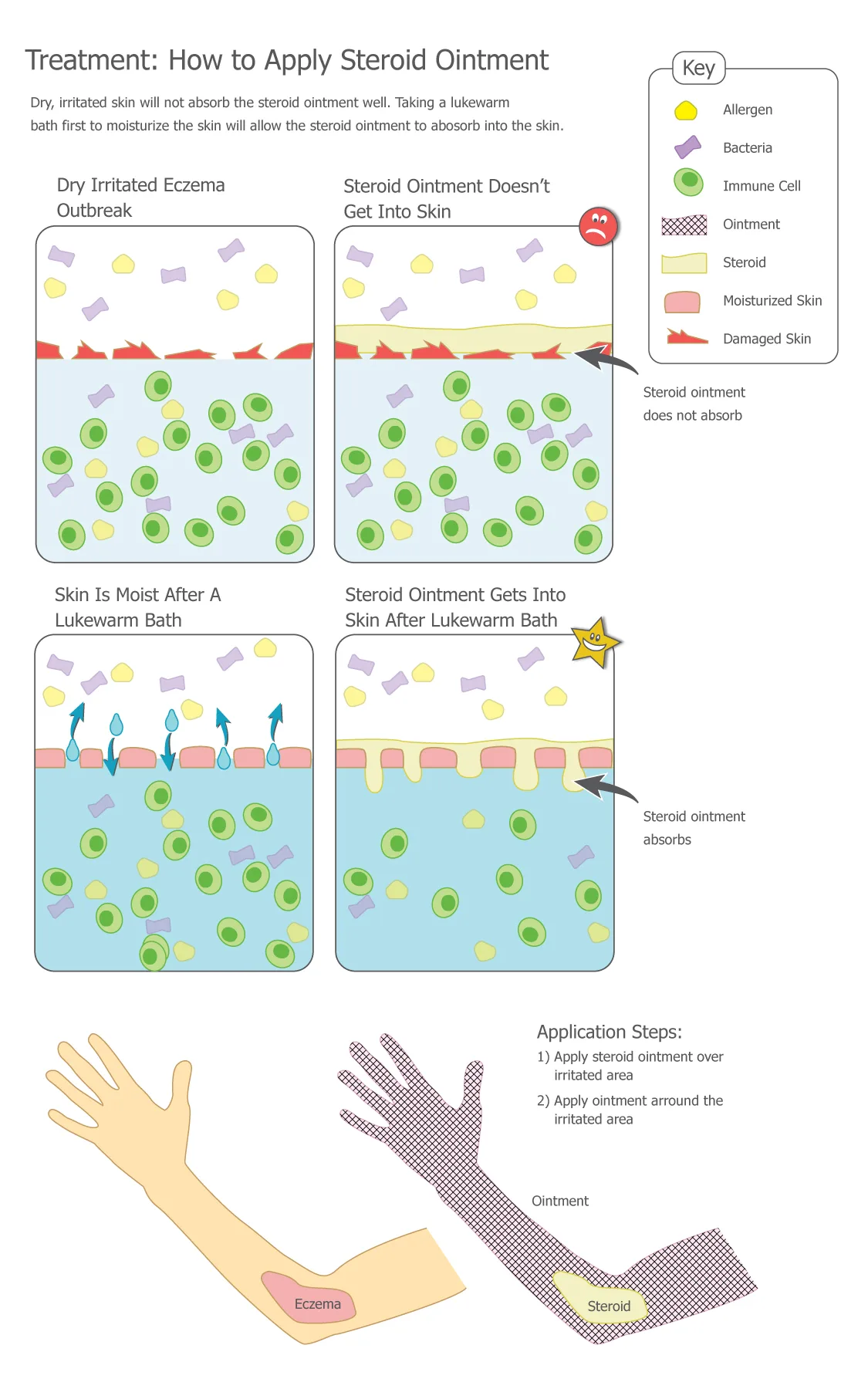
The standard advice is to apply moisturizer while the skin is still slightly damp. In guidance published by Allure, Dr. Shah recommends short, lukewarm showers, a gentle pat dry, then moisturizer on skin that still holds water.
Timing also has measured backing. In a 2009 study in Pediatric Dermatology, Chiang and Eichenfield measured skin hydration after different bathing and moisturizing regimens. Skin that received moisturizer after bathing stayed better hydrated than skin that was bathed and left alone. Their small group showed little measured difference between immediate and delayed application, so the damp-skin rule is about habit and comfort, not a stopwatch.
How much should you use?
There is no universal dose, and a thick film is not the goal. The workable rule is texture first: a cream usually suits dry skin better than a lightweight lotion, according to Dr. Shah, and it can go on more than once a day when the skin feels tight. Readers following this should also see How to Wear Sunscreen Every Day Without Hating It.
For rough spots, she suggests layering an ointment such as petrolatum on top of the moisturizer. If a formula stings or reddens the skin, stop using it and switch to another texture.
How to apply moisturizer, step by step
- 1. Cleanse gently. A gentle, soap-free cleanser keeps the skin's natural oils in place, since harsh soaps and strong foaming cleansers can strip them away and make dryness worse, according to Caren Campbell, MD, a board-certified dermatologist in San Francisco. A water rinse works in the morning.
- 2. Pat, do not rub. Dr. Shah advises patting wet skin with a towel and leaving it slightly damp for the next step. A few seconds.
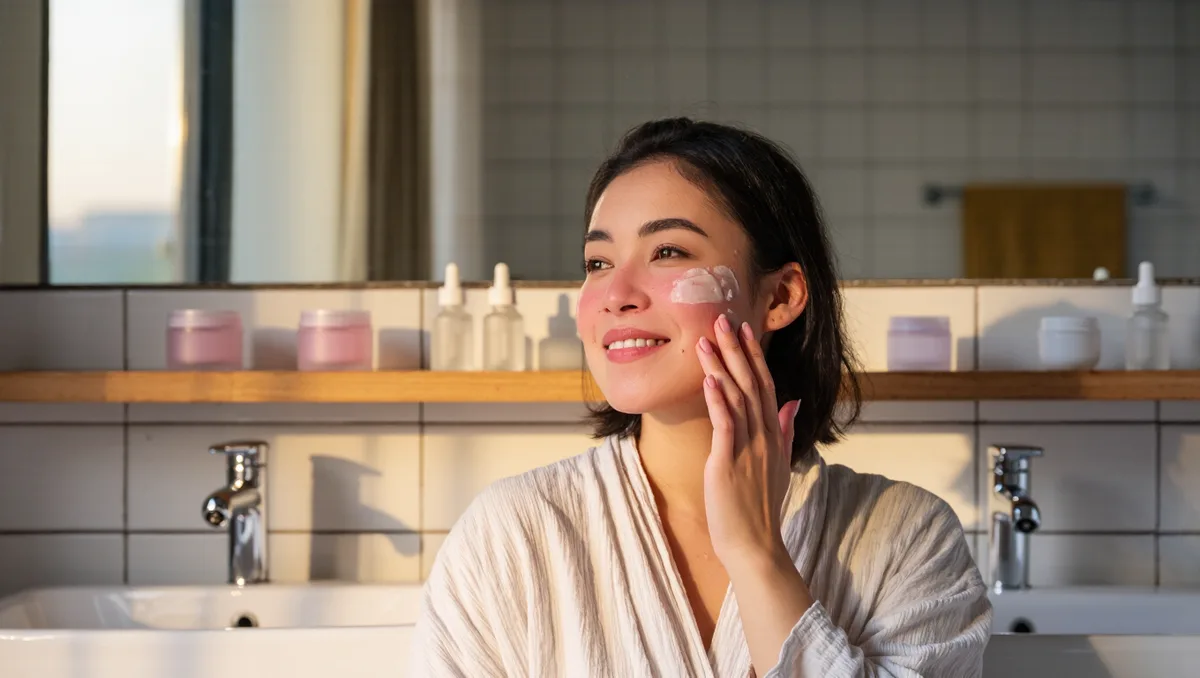
- 3. Apply the moisturizer while the skin is still damp. Spread a layer over the face until it feels covered, not coated.
- 4. Finish the morning with broad-spectrum sunscreen of SPF 30 or higher. Dermatologist guidance places sunscreen as the final daily step, no matter the weather.
- 5. Reapply when the skin feels tight during the day, and smooth an ointment over rough spots at night if they need more.
What gets in the way of a moisturizer?
- Hot, long showers. Dr. Shah keeps hers short and lukewarm, since hot water can remove natural oils from the skin.
- Air-drying completely before moisturizing. The damp-skin application is the published standard.
- Bathing without a follow-up product. The Pediatric Dermatology study measured the lowest hydration after bathing alone.
- A cleanser that over-foams. Strong foaming formulas can make dryness worse, per Dr. Campbell.
Conclusion: damp skin, steady routine
Moisturizer is a small step with a clear method: cleanse gently, pat the skin damp, apply while the surface still holds water, and pick the texture that fits. The dermatologist guidance lines up with what hydration studies measure, so the routine asks for consistency more than quantity.
Applied morning and night this way, a moisturizer keeps to its one job, slowing water loss. If tightness returns before the next wash, another thin layer sits within the published guidance.