An mRNA vaccine works by delivering a lab-made strand of genetic instructions, wrapped in a fat droplet, that tells a person's own muscle cells to build one harmless piece of a virus so the immune system can learn to recognize it — no live or weakened virus involved, according to the Centers for Disease Control and Prevention (CDC) and the National Human Genome Research Institute (NHGRI).
The idea traces back roughly 60 years of research into messenger RNA, the molecule cells normally use to carry copies of genetic instructions from the nucleus to their protein-building machinery, NHGRI notes. Vaccine developers borrowed that everyday cellular process and pointed it at a single target: the spike protein that studs the surface of the SARS-CoV-2 virus.
What happens after the injection?
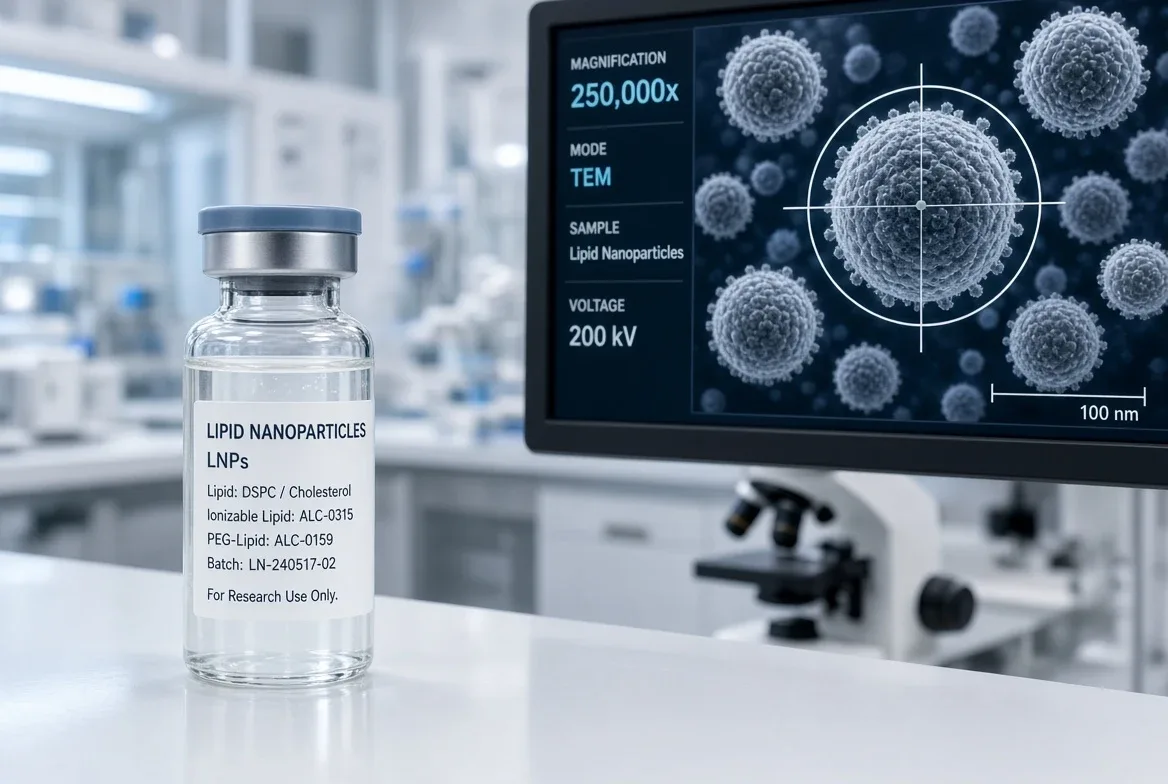
The synthetic mRNA does not travel alone. It is packaged inside a lipid nanoparticle — what NHGRI describes as a "fat bubble" — that protects the fragile molecule and helps it slip into muscle cells near the injection site. Once inside the cytoplasm, ribosomes read the instructions and assemble copies of the spike protein, the same machinery a cell uses to build any of its own proteins.
The mRNA never enters the cell's nucleus, where DNA is stored, and the CDC states plainly that the vaccines "cannot change or influence our genes." The instructions are also short-lived: NHGRI notes that mRNA "degrades easily and does not last long inside cells," so the synthetic material is broken down and cleared within days.
How does the immune system respond?
Once a cell displays spike protein fragments on its outer surface, the immune system treats them as foreign — the CDC explains that "our immune system recognizes that the protein does not belong there." That recognition triggers antibody production and primes immune cells to react quickly, mirroring the response to a natural infection but without the person ever being exposed to the virus itself.
Mayo Clinic describes the same basic logic in comparing vaccine types: an mRNA vaccine "gives cells instructions for how to make" the viral surface protein, while a viral-vector vaccine smuggles those instructions inside a separate, harmless virus, and a protein-subunit vaccine skips the instructions altogether and delivers ready-made protein fragments directly. All three approaches, per Mayo Clinic, aim the immune system at the same spike protein target.
How is this different from older vaccine technology?
Conventional vaccines often rely on a weakened or inactivated version of a pathogen, or on proteins grown in eggs or cell cultures — processes that can take months to scale. Because an mRNA vaccine only needs a genetic sequence, not a cultured virus, NHGRI notes that a candidate can move from a known viral sequence to a manufacturable design within "days to weeks," which is part of why mRNA platforms were adapted quickly once SARS-CoV-2 was sequenced.
The CDC notes that mRNA and lipid-nanoparticle vaccine research predates COVID-19, with earlier work on vaccines for influenza, Zika, rabies, and cytomegalovirus feeding into the platform's development. Clinical trials for the COVID-19 mRNA vaccines involved tens of thousands of volunteers, and NHGRI reports that about 30 percent of trial participants were from racially and ethnically diverse backgrounds.
As of the 2025–2026 respiratory illness season, both mRNA vaccines (Pfizer-BioNTech's Comirnaty and Moderna's Spikevax and Mnexspike formulas) and a non-mRNA protein-subunit option (Novavax's Nuvaxovid) remain available in the United States, Mayo Clinic reports, with current formulas authorized for people 65 and older and for younger people with risk factors for severe illness. This article explains the underlying mechanism only; it is not medical advice, and readers with questions about whether a specific vaccine is appropriate for them should consult a clinician.
For a related research perspective, read How does peer review actually work before publication?.
For more context, read How HPV Vaccination Actually Lowers Cervical Cancer Risk.
For more context, read What the Research Actually Says About Creatine.
For more context, read How night shift work pulls the body's clocks apart.