You do not strictly need a dedicated eye cream. The skin around the eyes is thinner than the skin on the rest of the face, but a gentle facial moisturizer applied with a light touch addresses most dryness and fine lines in that area. Mayo Clinic notes that eye creams differ from face moisturizers mainly in texture and the concentration of active ingredients, and that the evidence for over-the-counter wrinkle creams reducing the appearance of wrinkles is modest at best.
BEAUTYISE publishes information, not medical advice. Puffiness, discoloration, or drooping that appears suddenly, affects one side, or persists warrants an evaluation by a clinician, since some causes are medical rather than cosmetic.
Why do eye creams exist at all?
The skin of the eyelids and under-eye area is among the thinnest on the body, with fewer oil glands, so it dries out faster and shows fine lines sooner. Eye creams are typically formulated as lighter, fragrance-free, and ophthalmologist-tested versions of facial moisturizers, because heavy or fragranced products can migrate into the eye and cause stinging or puffiness. In other words, the category exists mostly to solve a formulation and comfort problem, not because the area needs a unique class of ingredients.
What do eye creams realistically do?
Ingredients that draw water into the skin, such as hyaluronic acid and glycerin, plump the look of fine lines for a few hours. Caffeine formulas can temporarily reduce mild morning puffiness by constricting blood vessels. Peptides and retinol appear in eye products with the aim of supporting collagen, but Mayo Clinic's assessment of nonprescription wrinkle creams is measured: apart from sunscreen and retinoids, which have the strongest research behind them, little evidence supports dramatic claims, and results, when they occur, are slight.
When a facial moisturizer is enough
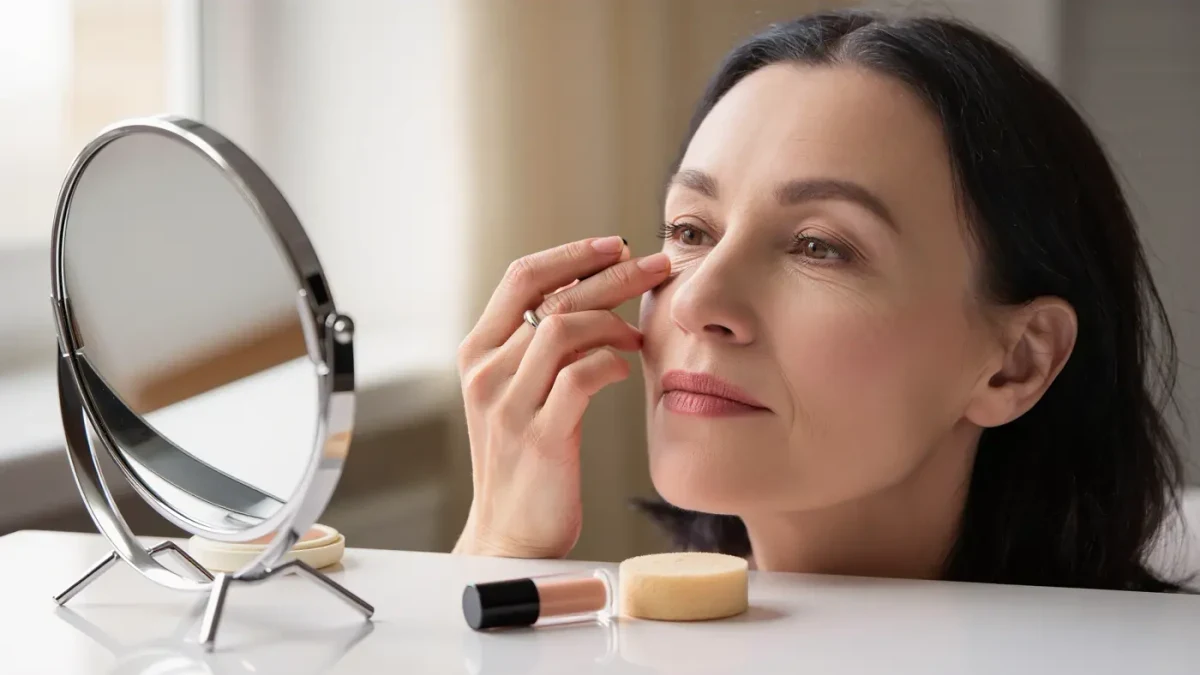
If your only eye-area concern is dryness or the early fine lines that come with dehydration, your regular moisturizer will do the job, provided it does not sting when it migrates. Apply it with your ring finger, which naturally uses the least pressure, tapping along the orbital bone rather than the eyelid margin. Skip strongly actives-heavy face products near the eyes: many people who tolerate a retinol serum on their cheeks find the same serum too irritating under the eyes.
When a dedicated eye cream makes sense
Three situations justify the extra product. First, if your facial moisturizer stings or clouds your vision when it migrates, an ophthalmologist-tested eye cream solves a real comfort problem. Second, if you use prescription or strong actives on your face, a bland barrier-style eye cream gives the area its own protection. Third, if makeup creases on your eyelids, a light eye cream under primer can smooth the canvas. None of these are about special ingredients; they are about texture and tolerance.
| Concern | Plain moisturizer | Dedicated eye cream |
|---|---|---|
| Dryness, tightness | Usually enough | Useful if face cream stings |
| Fine lines from dehydration | Improves with hydration | Lighter texture layers under makeup |
| Morning puffiness | Limited effect | Caffeine formulas help temporarily |
| Dark circles from anatomy | Little effect | Limited effect; see a dermatologist |
What about dark circles?
Dark circles have several distinct causes, and no cream addresses all of them. Thin skin revealing underlying blood vessels, shadowing from under-eye anatomy, and pigment differences each need different approaches. Sunscreen protects the area from pigmentation worsening over time, and adequate sleep and hydration help with mild vascular shadows. A dermatologist can tell you which type you have, which is a better use of money than guessing across a shelf of concealers and creams.
How should you apply anything to the eye area?
Technique matters more than the jar. Use a pea-sized amount for both eyes. Tap, never rub, along the orbital bone from the inner corner outward, using your ring finger. Keep products below the brow bone during the day to reduce migration into the eye. Apply eye products before heavier face creams so the lighter formula has a chance to make contact with the skin. If a product causes redness, itching, or swelling, stop using it; the skin around the eyes shows irritation faster than anywhere else on the face.
The verdict for your routine
If budget is a consideration, spend it on three things with stronger evidence than any eye cream: a broad-spectrum SPF 30 sunscreen worn daily, a gentle cleanser, and a ceramide moisturizer. Add a dedicated eye cream later if the specific comfort problems above show up. The eye area ages on the same schedule as the rest of the face, and daily sun protection does more for it than any jar marketed specifically at eyelids.
An eye cream is a texture choice, not a missing step. Gentle pressure and daily sunscreen do most of the work.
FAQ
At what age should you start using an eye cream?
There is no required age. Since a basic moisturizer covers the eye area too, most people only need a dedicated product when migration, stinging, or makeup creasing becomes an issue, usually in adulthood and often not at all.
Can eye cream remove wrinkles?
No product removes wrinkles. Hydrating formulas temporarily plump fine lines, and retinoid-containing products have the best evidence for improving the look of wrinkles over months, but effects from nonprescription creams are modest according to Mayo Clinic.
Why do eye creams cost more per ounce?
Smaller batches, ophthalmologist testing, and gentler preservative systems raise costs. You are partly paying for a texture engineered not to sting, which has value, but not necessarily for superior ingredients.
Is it safe to put retinol under the eyes?
Some people tolerate low-strength retinol near the orbital bone, but the area irritates easily. Introduce it a couple of nights a week, buffer it with moisturizer, and stop if you see redness or peeling. Prescription retinoids near the eyes should follow a clinician's directions.